 DARK MATTER
ERP and operations · 6 min read · Updated
Is it worth building my own subscription software (SaaS) for my industry?
Short answer
Building your own SaaS makes sense when you know an industry's problems well, existing tools do not solve them and you can charge a subscription to several businesses. If you only need to organize your own operation, a custom system for your company is more direct and cheaper than a product with accounts, plans and billing.
Also asked as
- How do I build a SaaS product for my industry?
- What is a multi-tenant SaaS and how is it developed?
- Is it worth developing my own subscription platform?
What a SaaS is and how it differs from custom software
Custom software is used by one company. A SaaS (software as a service) is used by many businesses at once, each with its own data, and they pay a subscription. The difference is not only commercial: a SaaS needs an account per business, plans, recurring billing and an admin panel to manage every customer.
When it makes sense to build one
- You know an industry from the inside and see the same problem repeated across many businesses.
- Current tools cover a part but force people to use several disconnected apps.
- You have access to customers who would already pay to solve it.
- You can sustain the product over time: support, improvements and new customers.
When it does not
If your goal is to organize your own company's operation, you do not need a product with plans and subscriptions. A custom system or a well-configured off-the-shelf tool solves it with fewer moving parts. Also think twice if you have not yet talked to potential customers: before building, validate that the problem hurts and that they would pay to fix it.
What a multi-tenant SaaS includes
- A separate account per business, with its data isolated from the others.
- Roles and permissions inside each business.
- Plans, subscriptions and billing for the platform itself.
- A super-admin panel to manage businesses, plans and charges.
- The industry's own features: scheduling, sales, inventory, staff, reports.
- Security, backups and an activity log.
What drives the cost and how to start
It depends on how many modules the first version includes, the number of roles and branches, payments and integrations, and how much care goes into security and each customer's data. The recommended path is a first phase with the essentials, tested with a few real businesses, adding modules afterward. After a free assessment you get a written proposal with scope, phases, timeline and investment.
How we solved it
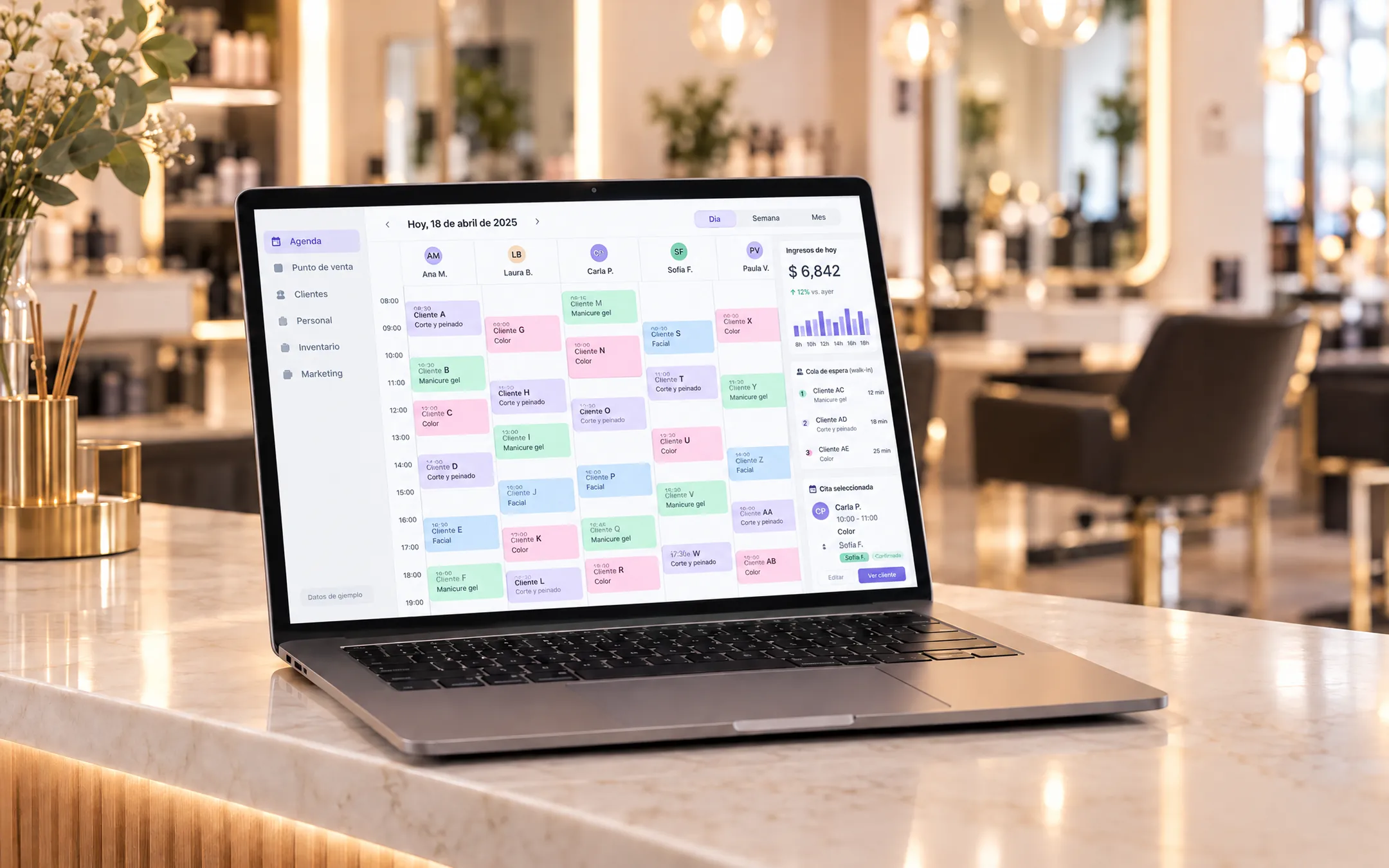 BeautyBeautySaaSBeautySaaS is a multi-tenant platform for salons and spas, currently in development: it brings together a multi-branch agenda with QR booking, a POS with cash closing, a client CRM, staff shifts, commissions and payroll, inventory, marketing campaigns and reports. It includes a super-admin panel to manage businesses, subscriptions and billing.See the project →
Illustrative image with sample data; the real screens are private to the client.
Related questions
What does multi-tenant mean?
One platform serves many businesses, and each one sees only its own data, users and settings.
Can I start with a few features?
Yes, and it is the recommended path. A first phase ships the essentials, gets tested with real businesses and later modules are added based on what usage shows.
Who owns the code and the data?
That is settled in writing before work starts. Always ask who owns the code, where the data is hosted and how backups work.
Does your business have this question?
Walk us through your operation in a free assessment and get a written proposal with scope, phases, timeline and investment.
Keep reading
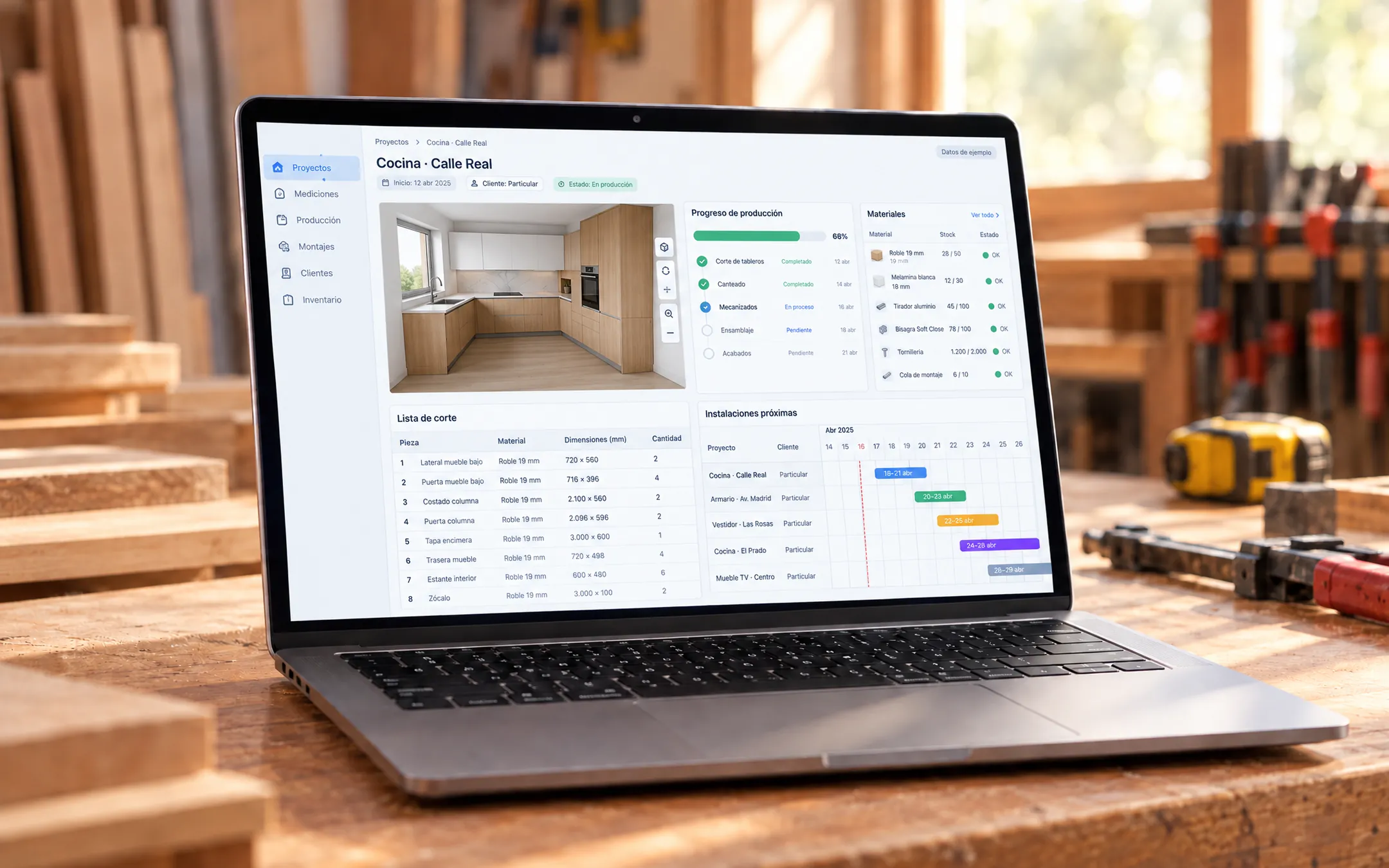 ERP and operations · 6 min readWhat is a custom ERP, and is it worth it for a small business?A custom ERP is a management system built around your company's processes: sales, inventory, production, purchasing, billing and reports on one platform. It pays off for a small business when its way of working does not fit an off-the-shelf ERP without paying for unused modules or still relying on spreadsheets.Read the answer →
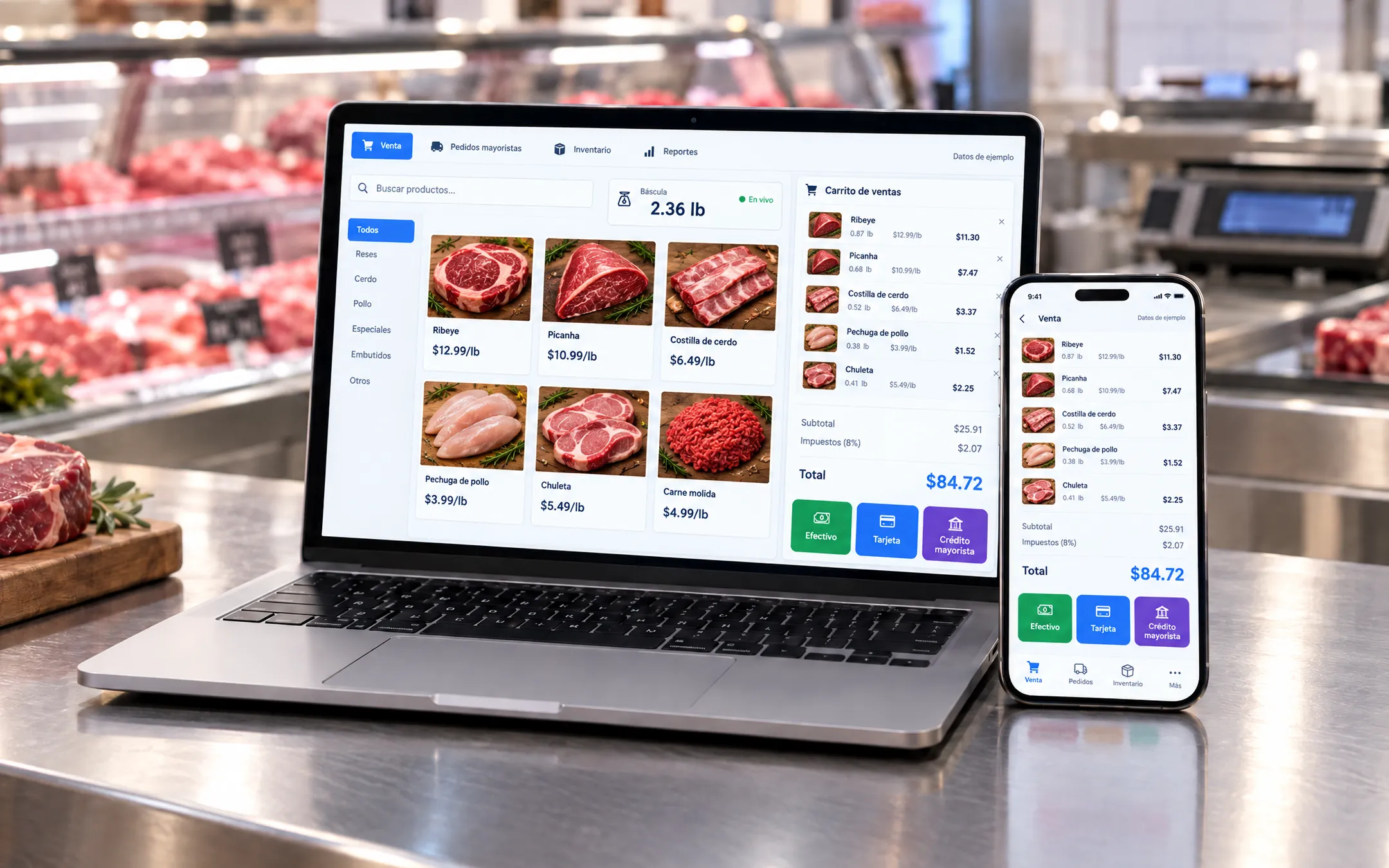 ERP and operations · 5 min readWhich inventory system fits my business: off-the-shelf or custom?An off-the-shelf inventory system fits if your products are counted by unit and your process is standard. A custom one fits when you sell by weight or by the box, give customers credit, run several warehouses or locations, or need inventory connected to your POS, purchasing and reports without retyping data.Read the answer →
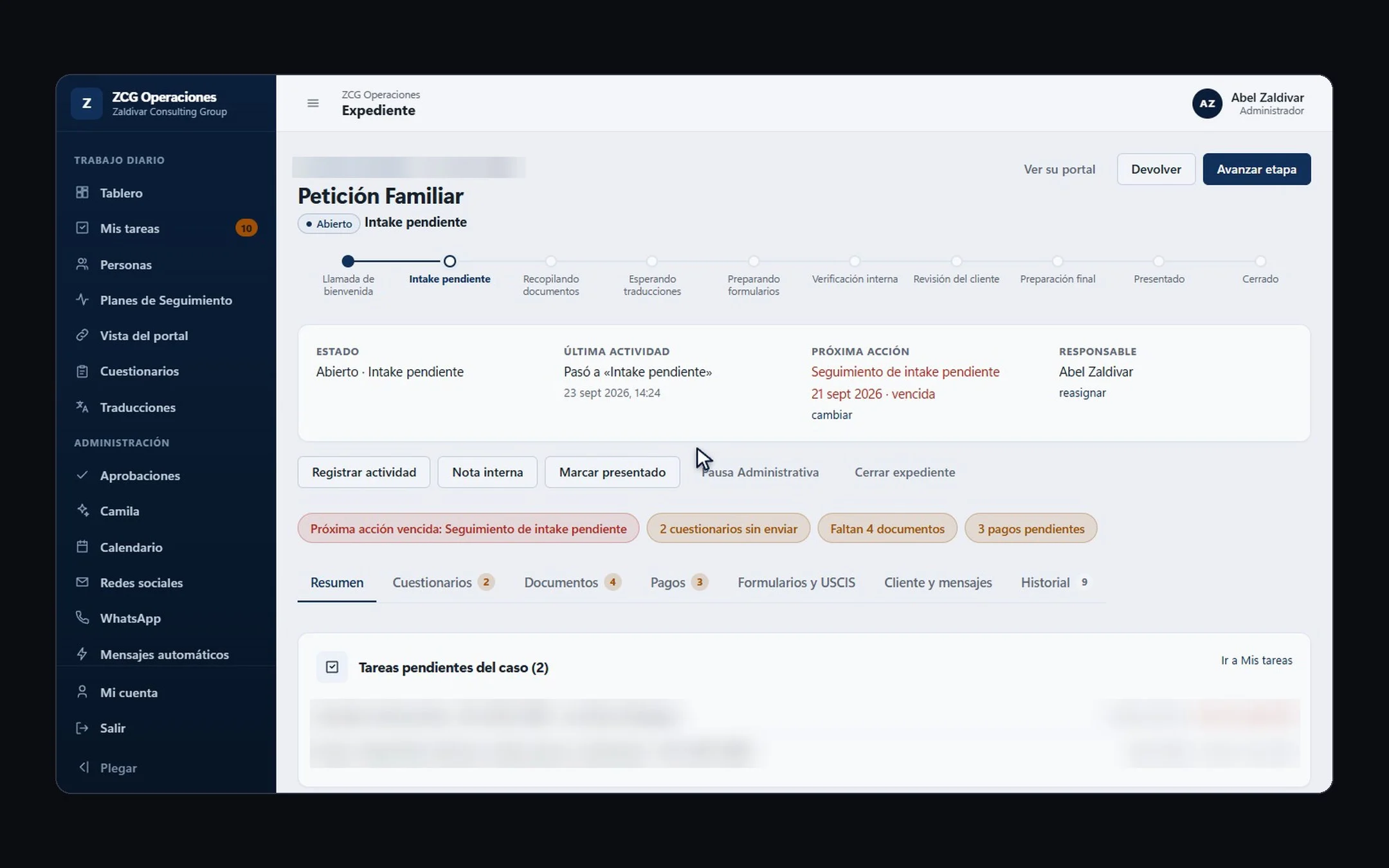 ERP and operations · 6 min readHow do you integrate QuickBooks and other tools with a custom system?You integrate through each tool's API: your custom system sends and receives data from QuickBooks, WhatsApp or your payment gateway automatically, with nobody copying it by hand. Before building, you define which data moves, in which direction, how often, and what happens when a connection fails.Read the answer →