 DARK MATTER
ERP and operations · 5 min read · Updated
Which inventory system fits my business: off-the-shelf or custom?
Short answer
An off-the-shelf inventory system fits if your products are counted by unit and your process is standard. A custom one fits when you sell by weight or by the box, give customers credit, run several warehouses or locations, or need inventory connected to your POS, purchasing and reports without retyping data.
Also asked as
- What are the best inventory systems for small businesses?
- What is an inventory management system for a small business?
- Benefits of implementing digital inventory control.
What an inventory system should do
Record every item coming in and going out, show how much you have in each place and warn you when something runs low. What separates a good system from a spreadsheet is that inventory updates itself with every sale, purchase or return, with nobody retyping it.
When off-the-shelf is enough
- You sell products by the unit from a standard catalog.
- You have one location or one warehouse.
- You do not need your own pricing or credit rules.
- Your team can adapt to the way the software works.
When custom pays off
- You sell by the pound, by the box or by the batch.
- You give wholesale customers credit and keep account statements.
- You have several warehouses or locations and want one dashboard.
- Inventory must connect to the POS, supplier purchasing and returns.
- You need different permissions for admins, supervisors and cashiers.
- You have reps in the field or production moving stock.
What drives the cost
The number of processes it touches (sales, purchasing, returns, production), the locations and user types, the devices it connects (printers, scales, scanners) and the integrations with accounting or payments. To avoid overpaying, start with the process where you lose the most time or money today and add the rest in phases. You get a written proposal after a free assessment.
How to move from Excel to the system
Your current sheets are cleaned, products and stock are migrated, the system is tested with a small group and one process goes live at a time, so the business is never left without control.
How we solved it
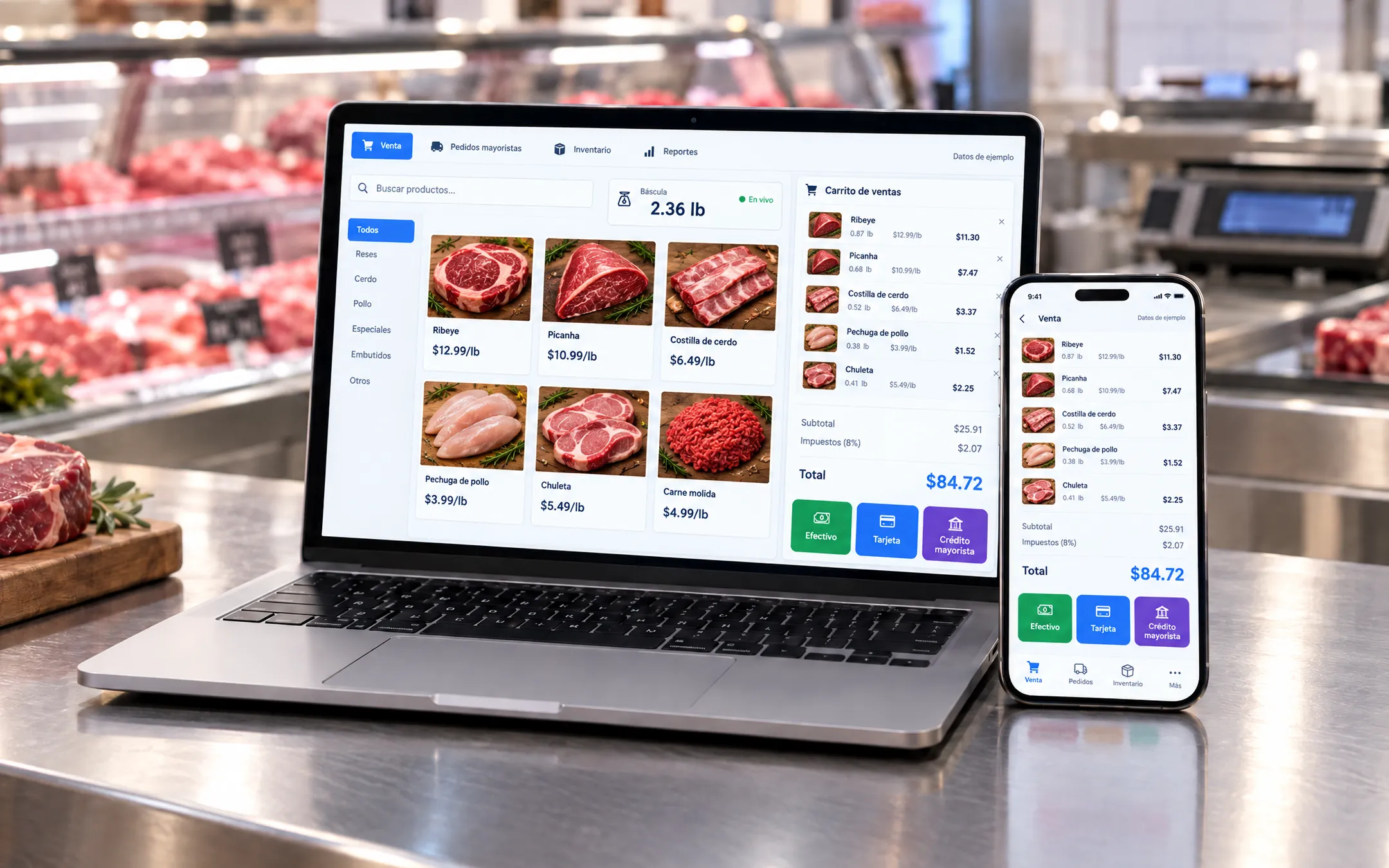 Food retailL&J Premium MeatsFor L&J Premium Meats, a Latin butcher shop in Manhattan, we built a custom POS that sells by the pound or by the box and handles wholesale credit invoices with client statements, supplier purchases, returns, cash closing and reports, with role-based access. Before that they ran sales and restaurant accounts on notes and spreadsheets.See the project →
Illustrative image with sample data; the real screens are private to the client.
Related questions
Can I start off-the-shelf and migrate later?
Yes. Products, customers and stock are exported and migrated into the custom system when your operation calls for it, so you do not start from scratch.
Can inventory be connected to the point of sale?
Yes. Every sale deducts stock and every purchase or return adjusts it, so inventory always reflects what happens at the counter.
Can I check inventory from my phone?
Yes. A custom system can offer web and mobile access with role-based permissions, so the owner can check stock and reports from anywhere.
Does your business have this question?
Walk us through your operation in a free assessment and get a written proposal with scope, phases, timeline and investment.
Keep reading
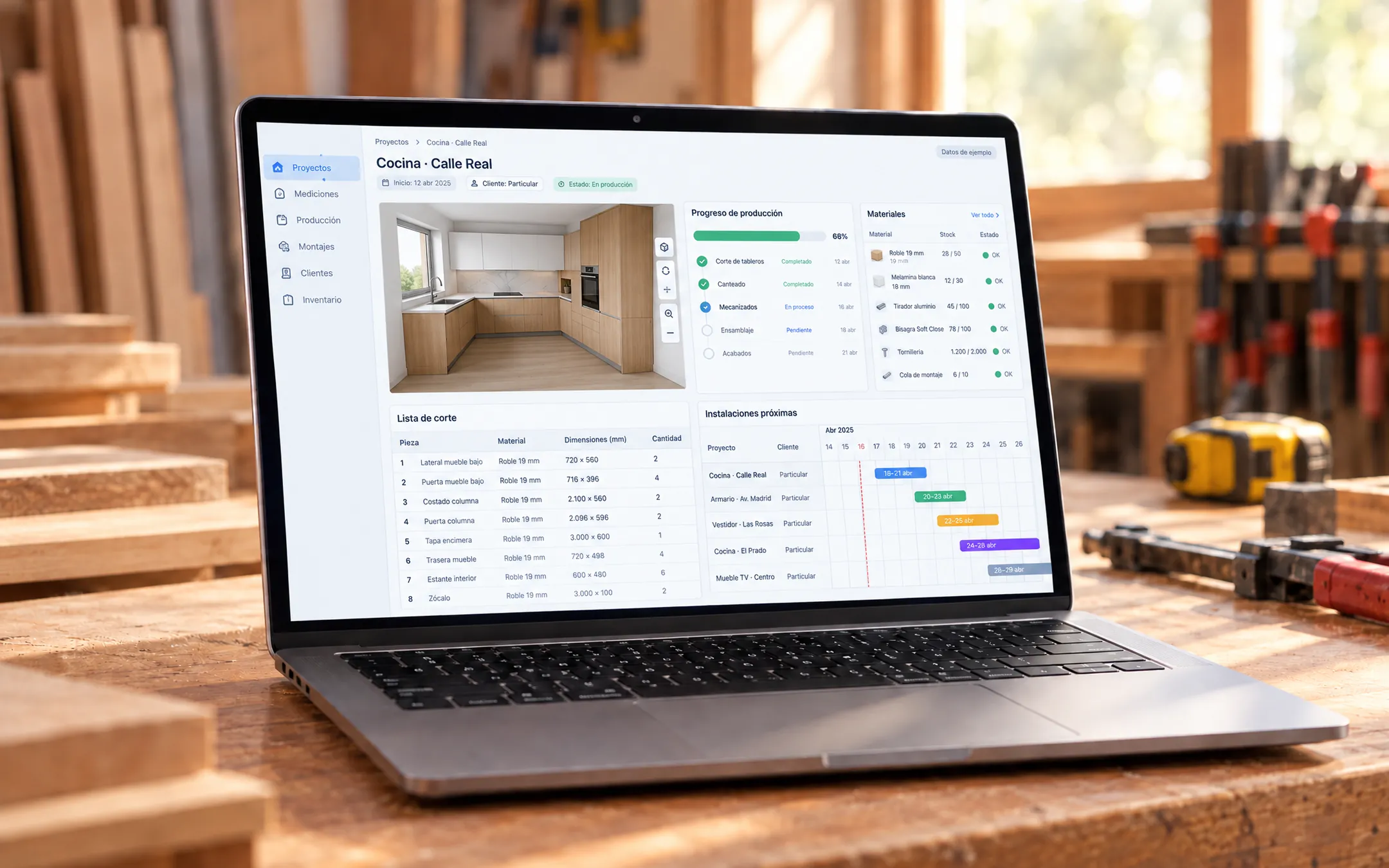 ERP and operations · 6 min readWhat is a custom ERP, and is it worth it for a small business?A custom ERP is a management system built around your company's processes: sales, inventory, production, purchasing, billing and reports on one platform. It pays off for a small business when its way of working does not fit an off-the-shelf ERP without paying for unused modules or still relying on spreadsheets.Read the answer →
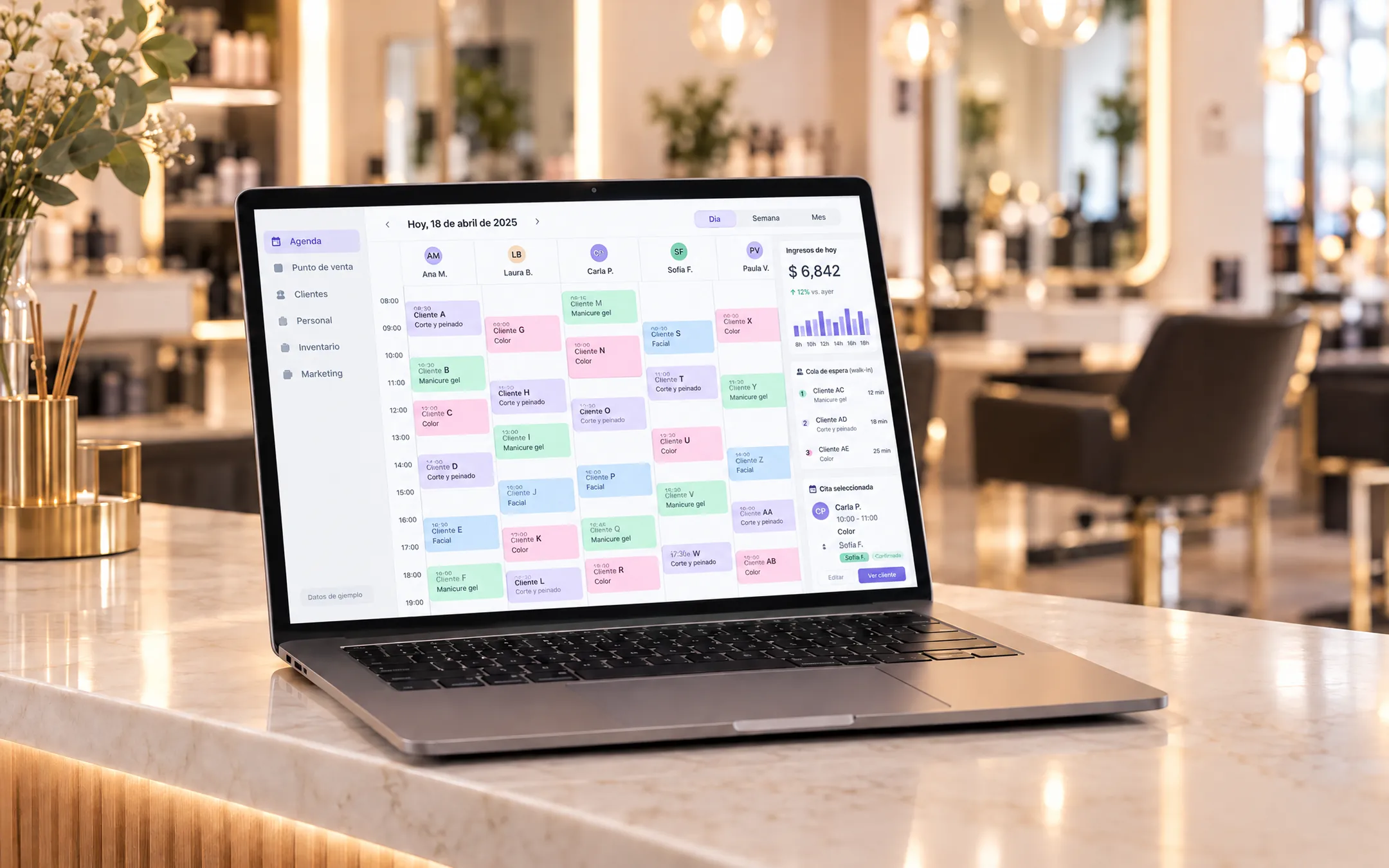 ERP and operations · 6 min readIs it worth building my own subscription software (SaaS) for my industry?Building your own SaaS makes sense when you know an industry's problems well, existing tools do not solve them and you can charge a subscription to several businesses. If you only need to organize your own operation, a custom system for your company is more direct and cheaper than a product with accounts, plans and billing.Read the answer →
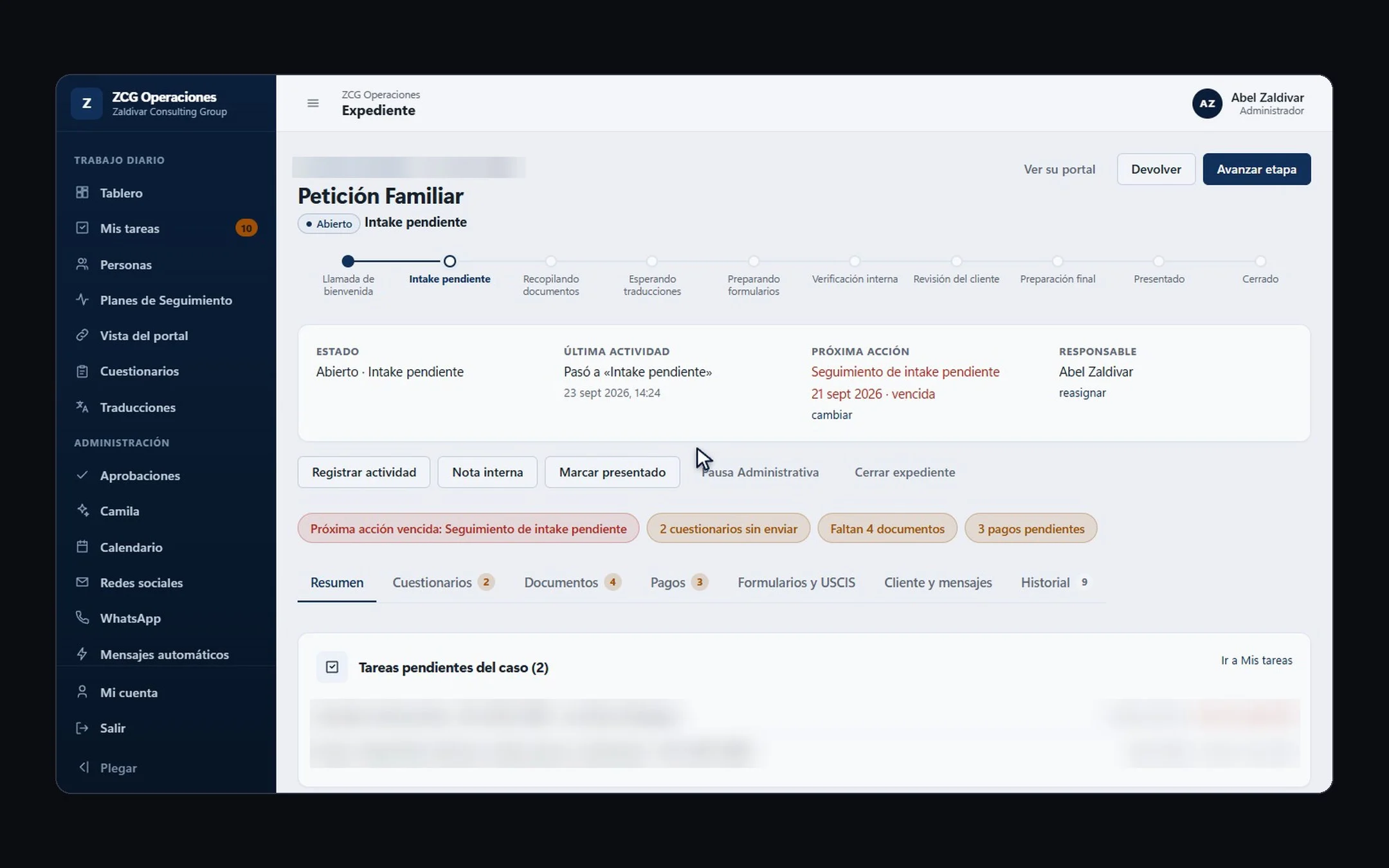 ERP and operations · 6 min readHow do you integrate QuickBooks and other tools with a custom system?You integrate through each tool's API: your custom system sends and receives data from QuickBooks, WhatsApp or your payment gateway automatically, with nobody copying it by hand. Before building, you define which data moves, in which direction, how often, and what happens when a connection fails.Read the answer →