 DARK MATTER
ERP and operations · 6 min read · Updated
What is a custom ERP, and is it worth it for a small business?
Short answer
A custom ERP is a management system built around your company's processes: sales, inventory, production, purchasing, billing and reports on one platform. It pays off for a small business when its way of working does not fit an off-the-shelf ERP without paying for unused modules or still relying on spreadsheets.
Also asked as
- What are the advantages of custom ERP software for businesses?
- What features should a custom ERP for small businesses have?
- Average cost of developing a custom ERP for a small business.
What an ERP does, in plain words
An ERP puts in one place the information that today lives in Excel, WhatsApp, notebooks and separate apps. Every sale updates inventory, every order creates its invoice and every department sees the same numbers in real time.
Off-the-shelf or custom ERP
An off-the-shelf ERP works when your process is standard and your team can adapt to the software. A custom one pays off when your business has its own steps: made-to-order production, selling by the pound or on credit, on-site measurements, commissions or connected devices.
Long-term cost matters too: instead of per-user licenses and modules you never use, you invest in a system you own that grows in phases.
What a small-business ERP should include
- Sales and quotes connected to inventory.
- Inventory per warehouse or location, with low-stock alerts.
- Purchasing and suppliers.
- Production or work orders, if you manufacture or provide services.
- Customers, billing and receivables.
- Roles and permissions per user.
- Real-time reports and mobile access.
What drives the cost
The number of processes it covers, the user types, the platforms (web, field app) and integrations with invoicing, payments or devices. The way to control the investment is to start with the module that costs you the most time or money and add the rest later, without rebuilding.
How to roll it out without stopping operations
Existing data is migrated, each department is trained and one process goes live at a time, so the team learns along the way and the business is never left without a system.
How we solved it
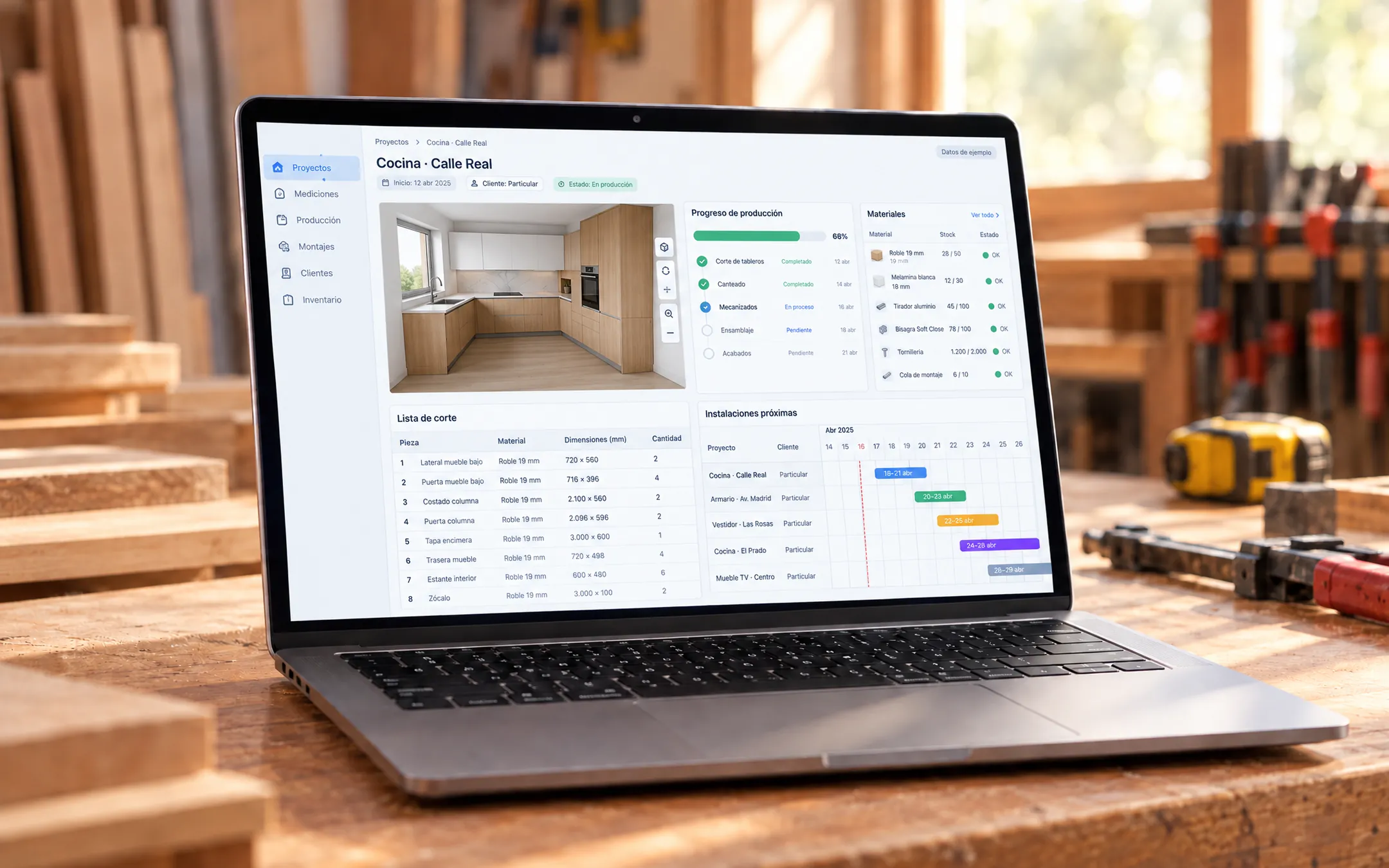 CarpentryMueco Ceuta · ERP y AppFor a carpentry business we built an ERP with an app: every job has a digital file that goes from measurement to quote, production and signed installation, fully traceable.See the project →
Illustrative image with sample data; the real screens are private to the client.
Related questions
How long does a custom ERP take?
It depends on scope. Built in phases, the first one focuses on the highest-impact process so the team starts using the system early; later phases are planned from the results.
Can the ERP connect to QuickBooks or other tools?
Yes. A custom ERP integrates with tools that already work, such as accounting, payments, invoicing or WhatsApp, instead of replacing them.
What happens to my current Excel data?
It is cleaned and migrated into the new system before go-live, so you do not start from scratch.
Does your business have this question?
Walk us through your operation in a free assessment and get a written proposal with scope, phases, timeline and investment.
Keep reading
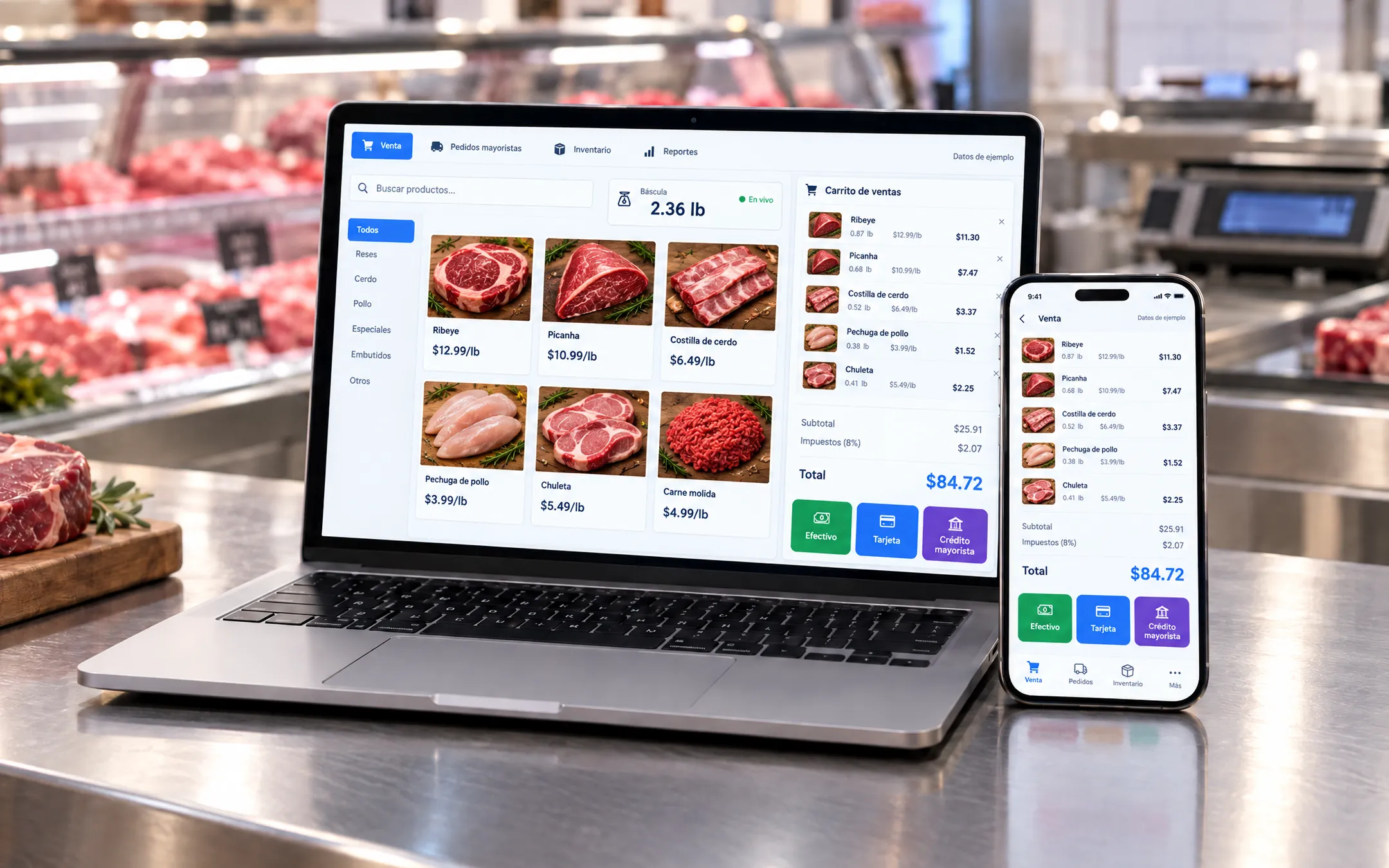 ERP and operations · 5 min readWhich inventory system fits my business: off-the-shelf or custom?An off-the-shelf inventory system fits if your products are counted by unit and your process is standard. A custom one fits when you sell by weight or by the box, give customers credit, run several warehouses or locations, or need inventory connected to your POS, purchasing and reports without retyping data.Read the answer →
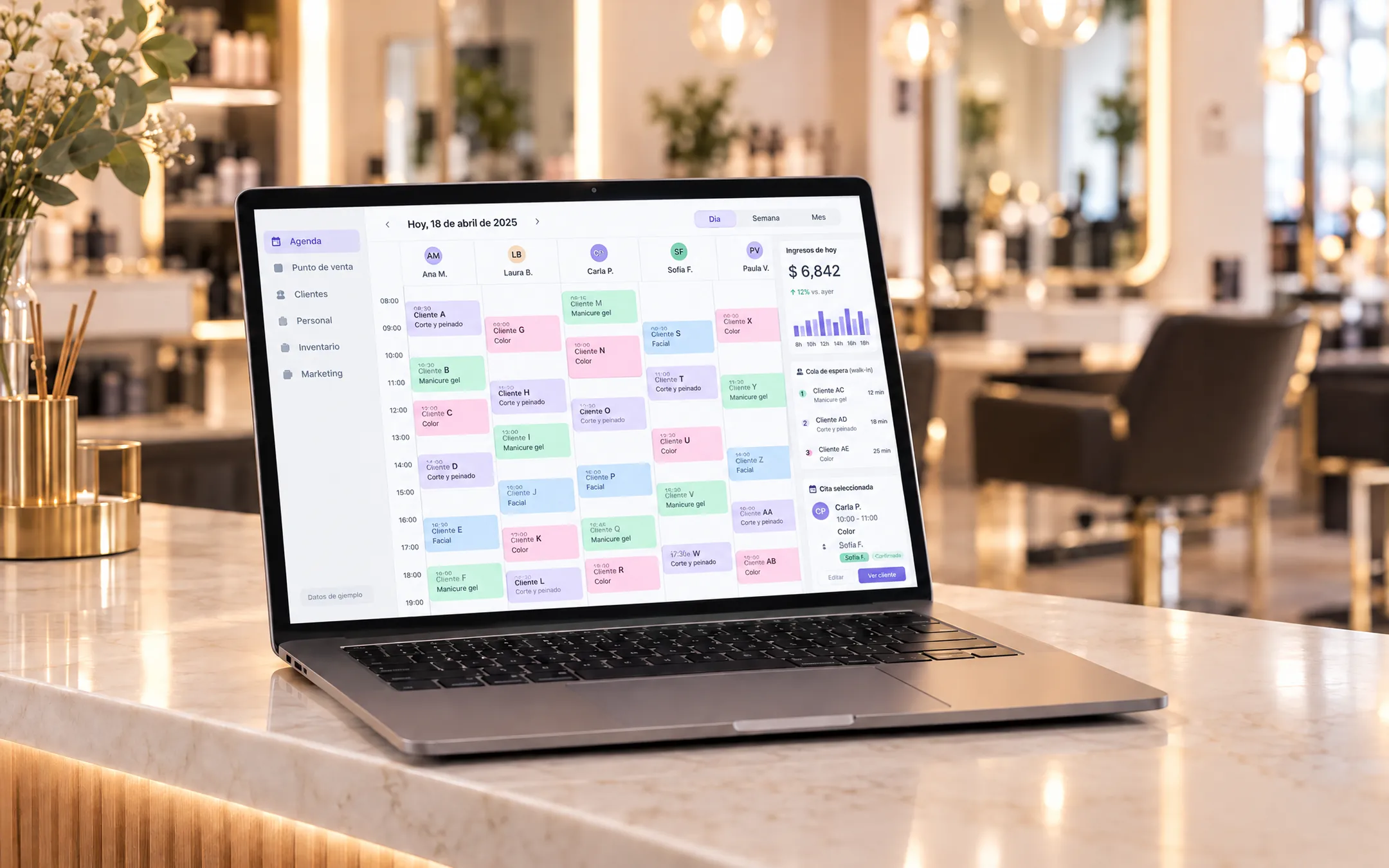 ERP and operations · 6 min readIs it worth building my own subscription software (SaaS) for my industry?Building your own SaaS makes sense when you know an industry's problems well, existing tools do not solve them and you can charge a subscription to several businesses. If you only need to organize your own operation, a custom system for your company is more direct and cheaper than a product with accounts, plans and billing.Read the answer →
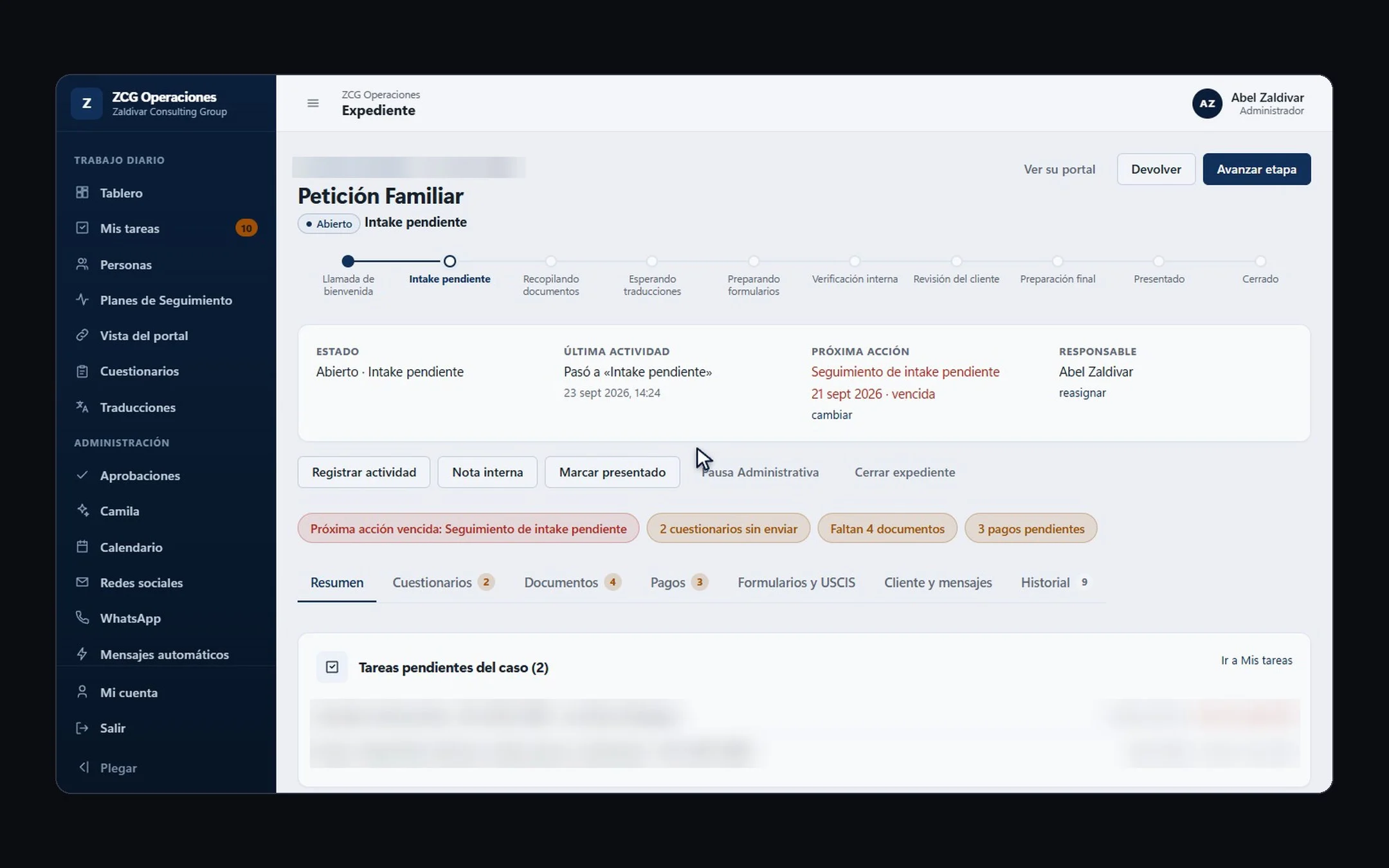 ERP and operations · 6 min readHow do you integrate QuickBooks and other tools with a custom system?You integrate through each tool's API: your custom system sends and receives data from QuickBooks, WhatsApp or your payment gateway automatically, with nobody copying it by hand. Before building, you define which data moves, in which direction, how often, and what happens when a connection fails.Read the answer →