 DARK MATTER
Apps · 6 min read · Updated
How much does it cost to build an Uber-style app for my on-site service business?
Short answer
The cost of building an Uber-style app for your on-site service business depends on how many parts you need, not on the booking screen: it is almost always three connected apps or panels (customer, technician or driver, and administration), plus a map, payments and notifications. We do not quote loose figures: after a free assessment you get a written proposal with scope, phases and investment, and the usual path is a first version that covers one area and one service.
Also asked as
- How much does it cost to build an app like Uber
- How to build an Uber-style app for my business
- App to book on-site services with live tracking
What parts an Uber-style app for an on-site service has
- Customer app: booking, location, photos, quote and payment.
- Technician or driver app: job list, route, checklist and customer signature.
- Admin panel: dispatch on a map, zones, time slots, payments and inventory.
- Live technician tracking on the map, with notifications.
- Online payments and service reports.
Why it is not just a booking app
What the customer sees is a simple screen, but behind it you have to decide who gets each job, what happens if the technician is late or cancels, and how the work done is recorded. That operation is the most work and decides whether the app solves anything or just adds one more step.
What raises or lowers the investment
- How many user profiles there are: customer, technician, dispatcher, administrator.
- Whether you need live GPS tracking or job statuses are enough.
- Whether you charge inside the app and with which payment processor.
- Whether you publish on iPhone and Android or start with one platform.
- Integrations: accounting, inventory, invoicing, messaging.
- How much current data must be migrated from spreadsheets or another system.
A custom app or ready-made field service software
If your service is standard and you need nothing of your own, a ready-made scheduling and dispatch tool may be enough and gets you going faster. Building custom makes sense when the way you quote, assign or charge is different from everyone else's, when you want the app to be part of your brand, or when you need to connect trackers, van inventory or your own reports.
How to start without building everything at once
The sensible path is a first version with one service, one area and the full flow end to end: the customer books, you dispatch, the technician completes the job and you get paid. That tests the business with real customers, and the next phases (more areas, more services, advanced tracking) are decided with data.
What we check first in an assessment
We follow one complete service, from the moment the customer calls to payment and the report: who assigns, how a delay is communicated, where photos are kept and what gets quoted. That shows which part of the app is essential for the first version and which can wait.
How we solved it
 AutomotiveOrlando TiresOrlando Tires brings the tire shop to the customer. Drivers book in a guided 7-step flow (vehicle, service, location, schedule, photos, quote and payment) and follow their assigned technician in real time. Behind it there is a technician app with checklists, OBD2 diagnostics, van inventory and customer signatures, a dispatch console with zones, payments and inventory, and a dedicated GPS server for the vans' trackers. Before, service was coordinated by phone, with no visibility of where the vans were.See the project →
Illustrative image with sample data; the real screens are private to the client.
Related questions
Do I need two apps, one for customers and one for technicians?
Almost always yes, because each profile does different things. They are built on the same database so the customer, the technician and the panel see the same information.
Can I start with one city or one service?
Yes, and that is the usual way. A focused first version is tested with real customers and expanded in phases.
How long does it take to be ready?
It depends on the scope. In the free assessment we define the phases and timeline, and we put them in writing in the proposal.
Does your business have this question?
Walk us through your operation in a free assessment and get a written proposal with scope, phases, timeline and investment.
Keep reading
Apps · 6 min readIs a mobile app worth it for my business?It is worth it when the app solves something your customers or team do often on their phones: booking, ordering, paying, dispatching technicians, logging jobs or checking status. If it would only repeat your website, skip it. A cross-platform app for Android and iOS costs less than two native apps.Read the answer →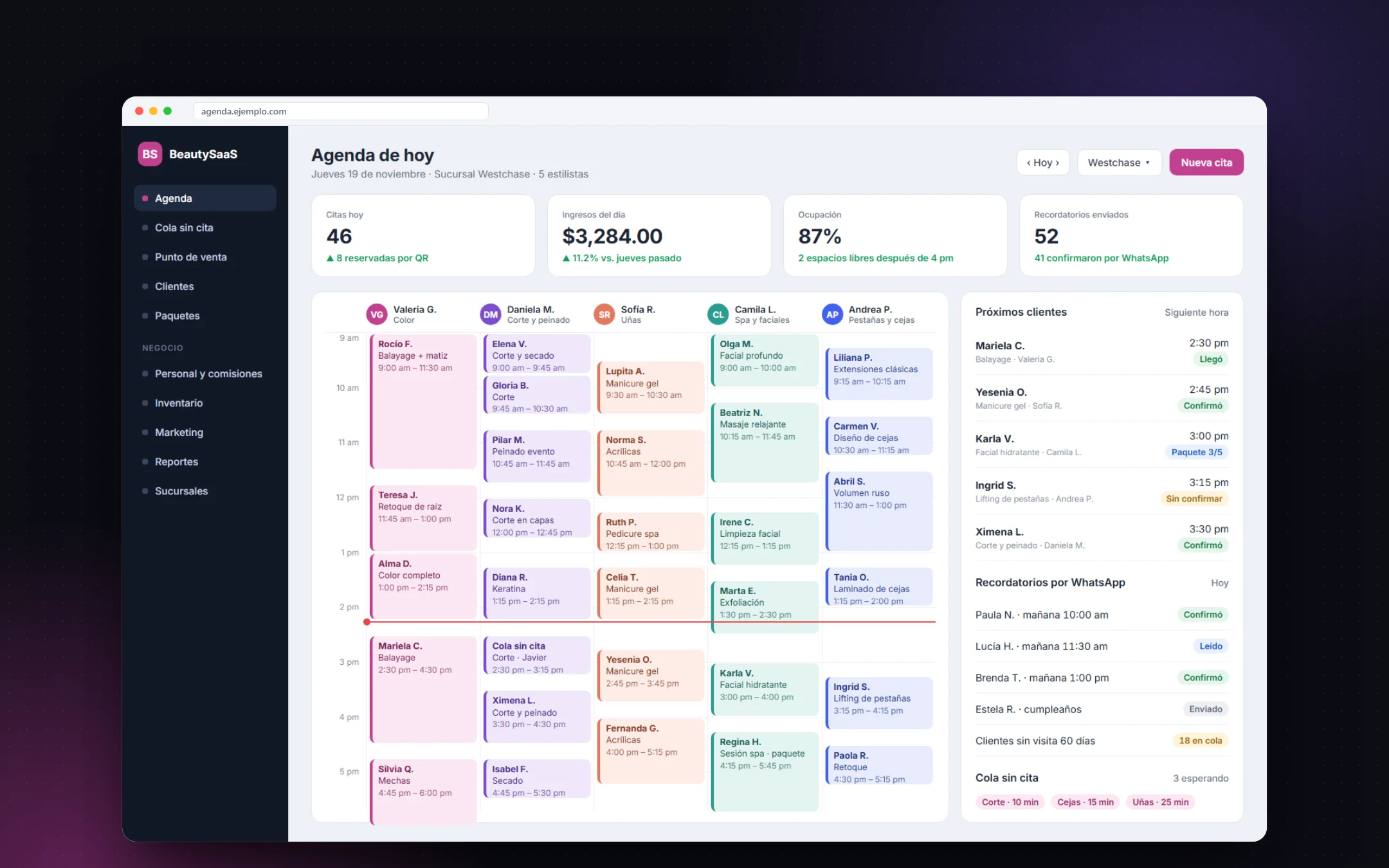 Apps · 5 min readShould I build my app with no-code or hire professional development?No-code platforms are good for validating an idea or a simple internal process. Professional development pays off when the app handles payments, sensitive data, many users, several locations or its own rules, or when the platform's per-user monthly cost starts to exceed what owning a system would cost.Read the answer →
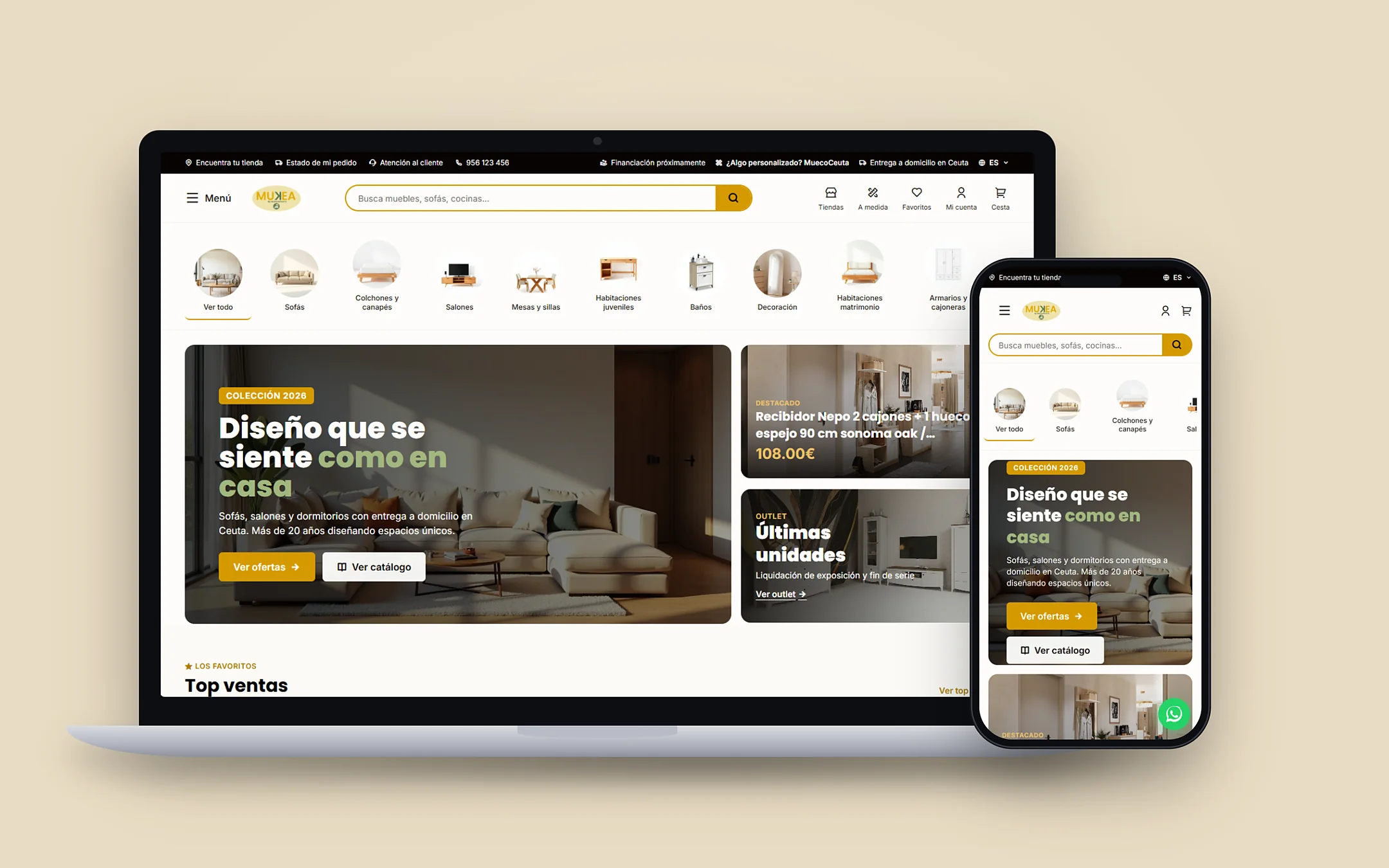 Apps · 6 min readShould I use Shopify or a custom online store?Shopify fits if you sell a standard catalog with common shipping and payments and want to launch quickly. A custom online store fits when your selling has its own rules, such as delivery times per product, home delivery by zone, made-to-order products or a direct link to your inventory and operation. The decision comes from your processes, not from a template.Read the answer →