 DARK MATTER
ERP and operations · 6 min read · Updated
How much does an ERP cost, and what drives the price?
Short answer
The price of an ERP depends on how many processes it covers, how many people use it, how many integrations it needs and how much data must be migrated. That's why a figure without a scope means little: two systems called ERP can do very different things. What you should compare is the total cost over several years, not just the starting price.
Also asked as
- How much does it cost to implement an ERP in a small business?
- How is ERP pricing calculated?
- What are the hidden costs of an ERP?
Why there is no single ERP price
An ERP can be an inventory module for one store or a system that ties together production, purchasing, branches and accounting. Asking for the price of an ERP without defining what it must do is like asking the price of a house without saying how many rooms it has.
That's why any number published without knowing your operation should be read with care.
How an off-the-shelf ERP is priced
An off-the-shelf ERP is usually sold as a per-user license or subscription, plus extra modules and implementation. The expense continues for as long as you use the software and grows each time you add people or features.
How a custom ERP is priced
A custom ERP is budgeted by the work of building it, usually in phases, and then needs hosting, support and improvements. The initial investment is usually higher than starting a subscription, in exchange for a system that fits your process and doesn't charge more for each new user.
What moves the price most
- Number of processes: sales, inventory, purchasing, production, billing.
- Branches, warehouses and currencies.
- User types and permissions.
- Platforms: web, field app or point of sale.
- Integrations with accounting, invoicing, payments or equipment.
- Cleaning and migrating your current data.
The costs people forget
- Migrating and correcting information that comes from Excel.
- Training each department and the production time lost meanwhile.
- Connectors between systems that don't talk to each other.
- Support, updates and backups.
- Modules that are paid for and never used.
How to compare two proposals
Two quotes can only be compared if they cover the same thing. Ask in writing which processes each includes, what is left out, how many phases there are, who migrates the data, who owns the code and information, and which costs continue after launch.
Then compare the total cost over three to five years, including licenses, support and the people the system will need.
How to lower the initial investment without losing quality
The safest way to control the investment is to start with the process that costs you the most money or time, put it to use and decide the next phase from results. In our case, the price is defined after a free assessment, in a written proposal with scope, phases and timelines.
How we solved it
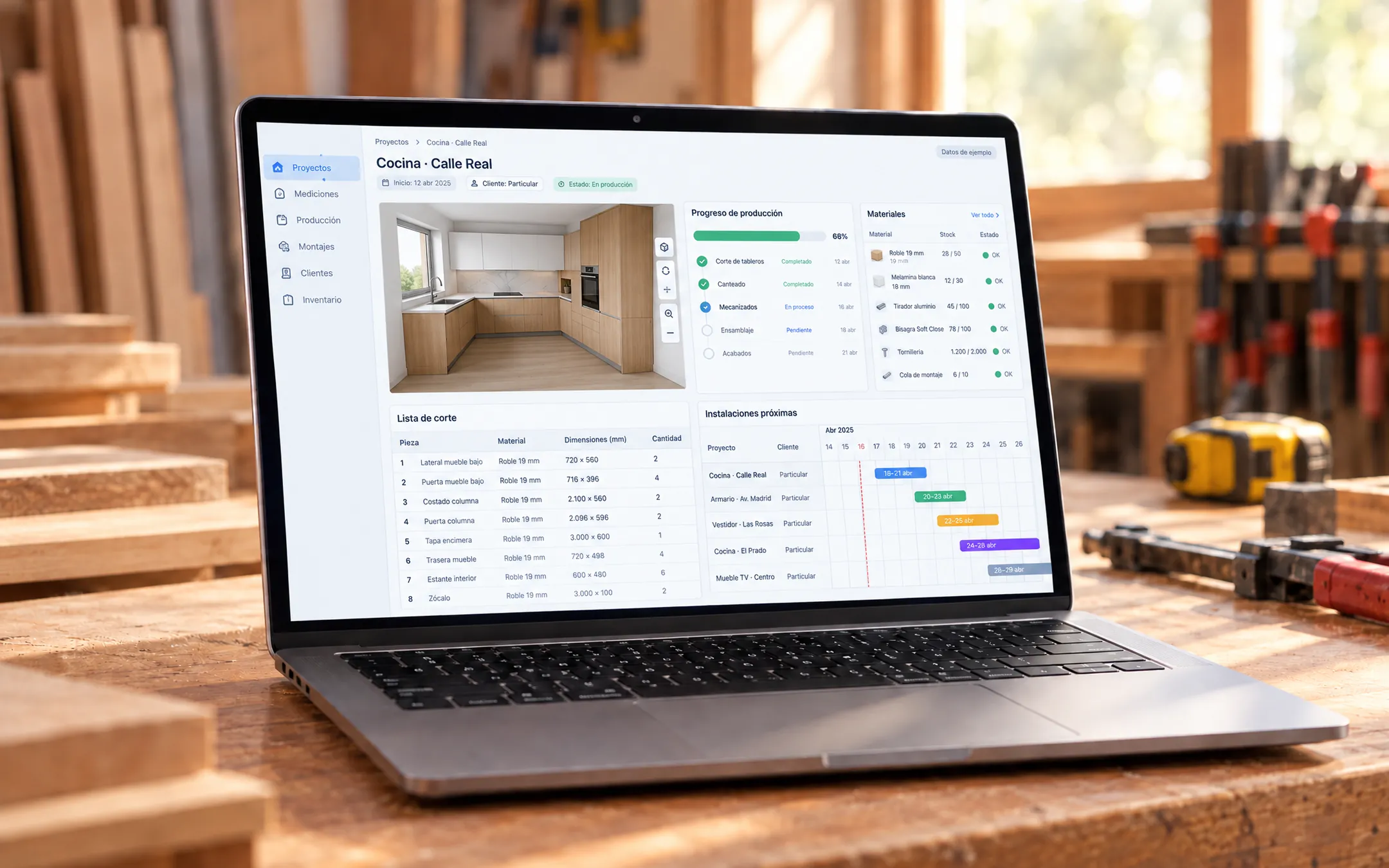 CarpentryMueco Ceuta · ERP y AppFor a carpentry business we defined the system around the stages of its real work, from on-site measurement to production and signed installation, with five roles in one app. Defining those stages first is what makes an accurate budget possible.See the project →
Illustrative image with sample data; the real screens are private to the client.
Related questions
Is an off-the-shelf ERP cheaper than a custom one?
It is usually cheaper to start. Over several years it depends on the users, modules and adaptations you need, which is why total cost is what to compare.
Can an ERP be built in phases?
Yes. The first phase covers the highest-impact process and later ones are decided from results, without rebuilding what exists.
Why don't you publish a price?
Because it depends on each company's scope. After a free assessment we deliver a written proposal with scope, phases, timelines and investment.
Does your business have this question?
Walk us through your operation in a free assessment and get a written proposal with scope, phases, timeline and investment.
Keep reading
ERP and operations · 6 min readWhat is a custom ERP, and is it worth it for a small business?A custom ERP is a management system built around your company's processes: sales, inventory, production, purchasing, billing and reports on one platform. It pays off for a small business when its way of working does not fit an off-the-shelf ERP without paying for unused modules or still relying on spreadsheets.Read the answer →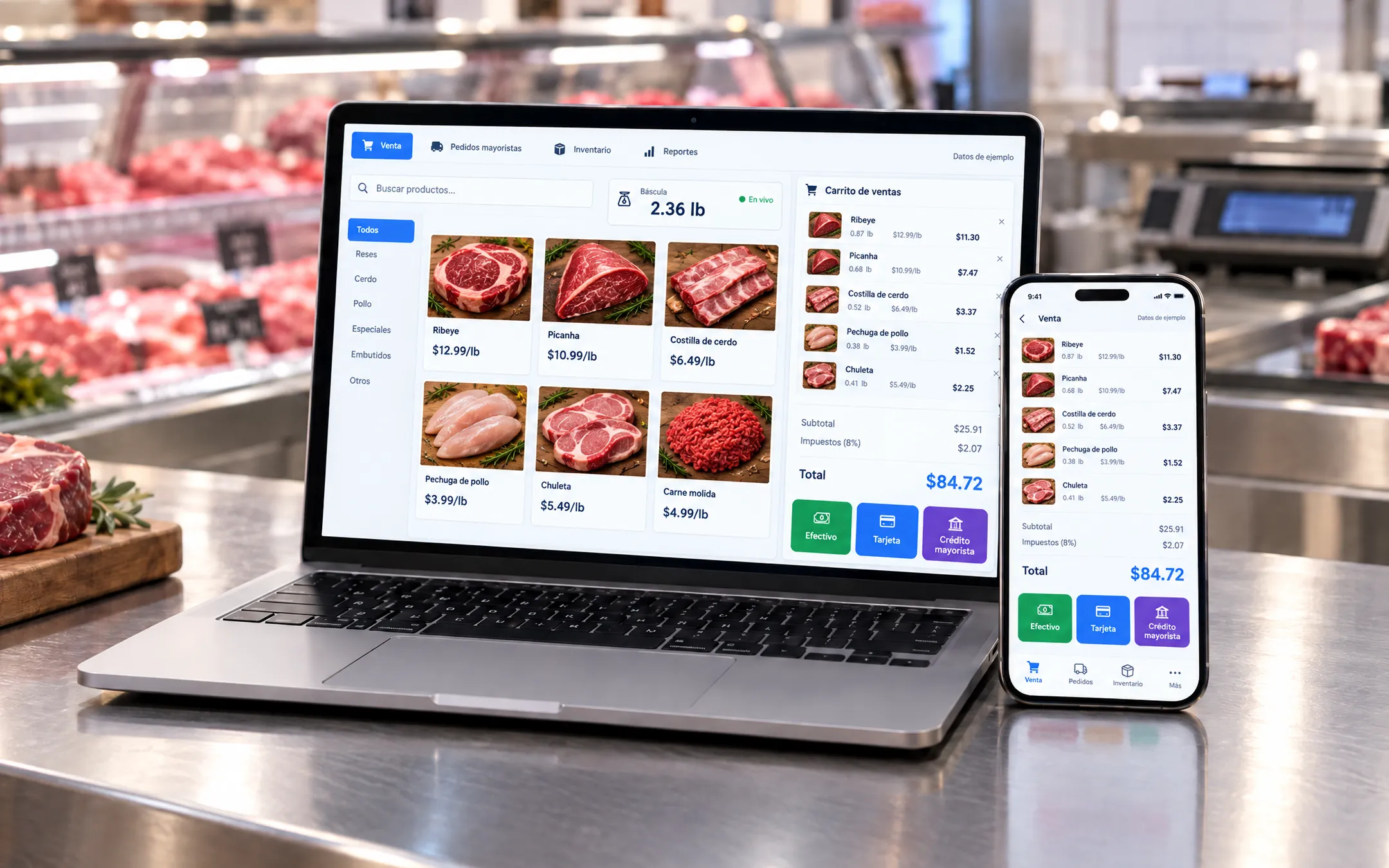 ERP and operations · 5 min readWhich inventory system fits my business: off-the-shelf or custom?An off-the-shelf inventory system fits if your products are counted by unit and your process is standard. A custom one fits when you sell by weight or by the box, give customers credit, run several warehouses or locations, or need inventory connected to your POS, purchasing and reports without retyping data.Read the answer →
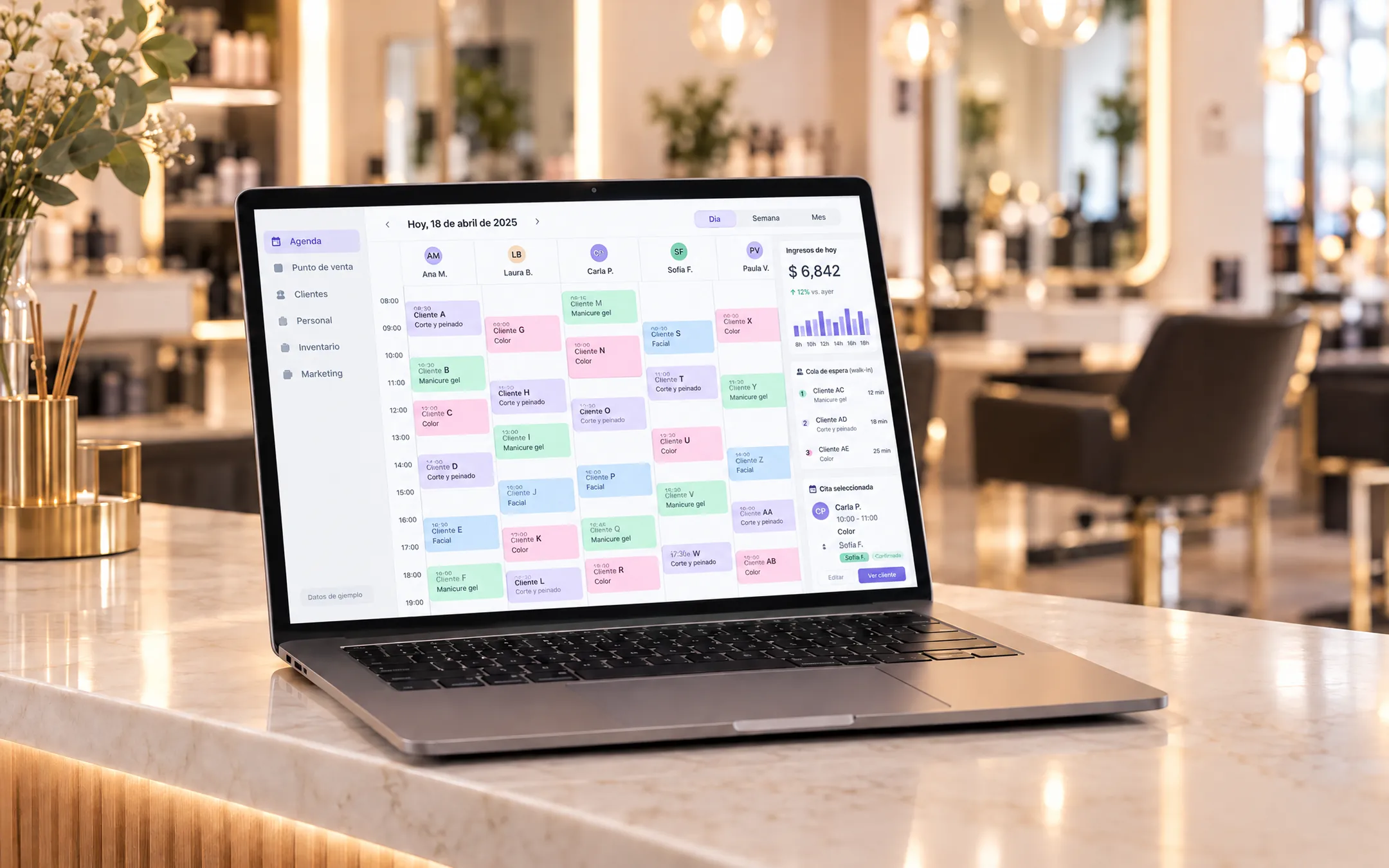 ERP and operations · 6 min readIs it worth building my own subscription software (SaaS) for my industry?Building your own SaaS makes sense when you know an industry's problems well, existing tools do not solve them and you can charge a subscription to several businesses. If you only need to organize your own operation, a custom system for your company is more direct and cheaper than a product with accounts, plans and billing.Read the answer →