 DARK MATTER
ERP and operations · 6 min read · Updated
What software does an immigration practice need to manage cases and forms?
Short answer
Immigration practice software should take each case from first contact to close: client profile, intake, documents, forms, payments and deadlines. Off-the-shelf software is enough if you handle few cases with a standard process; a custom system makes sense when you serve several case types, fill in the same forms again and again, or need clients to upload documents and get updates without calling.
Also asked as
- Case management software for immigration
- Software for an immigration consultancy
- How to auto-fill USCIS forms
What immigration practice software should do
- A case pipeline by case type, with stages, payments and next actions.
- A master client profile reused across every form.
- An intake questionnaire the client answers from their phone.
- Document upload and a list of what is missing.
- Receipts, appointments and requests for evidence with visible deadlines.
- Tasks, alerts and messages to the client.
Why the master profile and history matter
In immigration the same data appears on many forms: names, dates, addresses, family members. When each form is filled in by hand, mistakes repeat and it is hard to know which version is correct.
A master profile stores each data point once, generates the forms from it and keeps a change history, so information is never overwritten without a trace.
Off-the-shelf software or a custom system
Off-the-shelf software works when your practice handles few case types and only needs a calendar, a client list and billing. What matters is that your team uses it every day.
A custom system makes sense when you handle several immigration processes with different stages, need questionnaires with their own logic, want to fill PDF forms from the client profile, or must connect the system to your CRM and WhatsApp.
Client portal and WhatsApp support
Much of a team's time goes to answering how the case is going and which documents are missing. A mobile portal where clients answer questions, upload documents and see their stage cuts those calls.
If you also connect an AI agent on WhatsApp that checks the system in real time, repeated questions get answered instantly and your team handles only what needs a person.
What drives the cost
It depends on how many case types it covers, how many forms are filled automatically, whether it includes a client portal, integrations with your CRM, payments or WhatsApp, and how much data must be migrated from spreadsheets. We do not give loose figures: after a free assessment you get a written proposal with scope, phases and investment.
What we check first in an assessment
We follow one case from the moment a prospect arrives until it closes: who does the intake, where documents live, how forms are filled in and how everyone learns about a deadline. That shows which part to automate first.
How we solved it
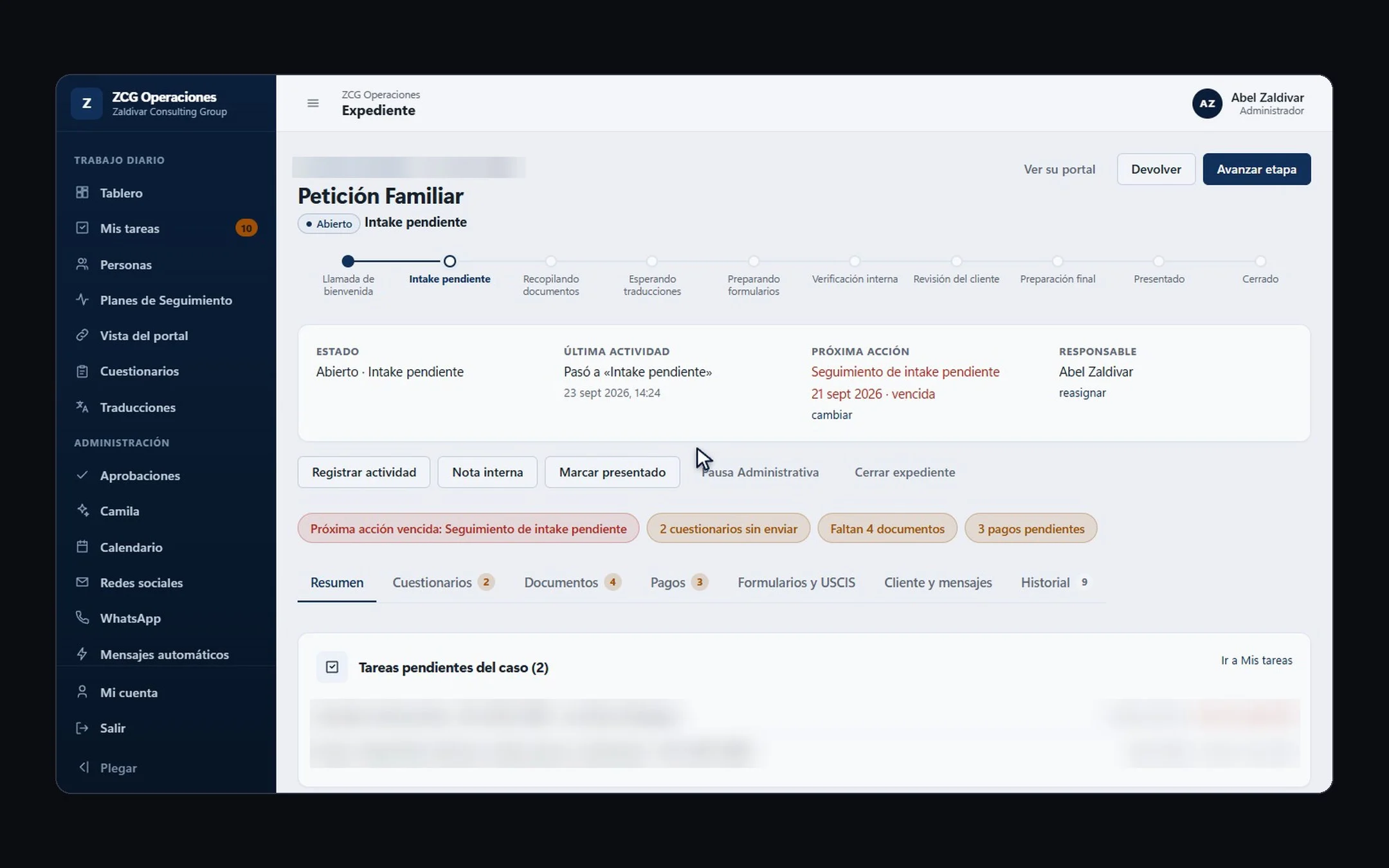 Legal & immigration servicesZCG Platform · Centro de operacionesZCG Platform is the operations center of Zaldivar Consulting Group, an immigration consultancy. Each client moves through a pipeline with stages, payments, next actions, USCIS receipts and appointments and requests for evidence (RFEs), on a master profile that keeps the history of every change. It includes an intake questionnaire builder with conditional logic, automatic filling of USCIS PDF forms (I-130, I-485, N-400 and more), a mobile client portal, and task, alert and WhatsApp automations synced with the CRM. Before, cases were tracked across spreadsheets, chats and folders.See the project →
Related questions
Can I start with case tracking only?
Yes. It is common to start with the case pipeline and client profile, and add automatic forms, a client portal and WhatsApp in later phases.
Does it work for a small practice?
Yes. A small practice also benefits from having every case, document and deadline in one place, and the system can grow with more case types and staff.
Can it connect to my current CRM?
Yes, tasks, alerts and messages can be synced with the CRM you already use. The first step is reviewing which tool you have and what data must be shared.
Does your business have this question?
Walk us through your operation in a free assessment and get a written proposal with scope, phases, timeline and investment.
Keep reading
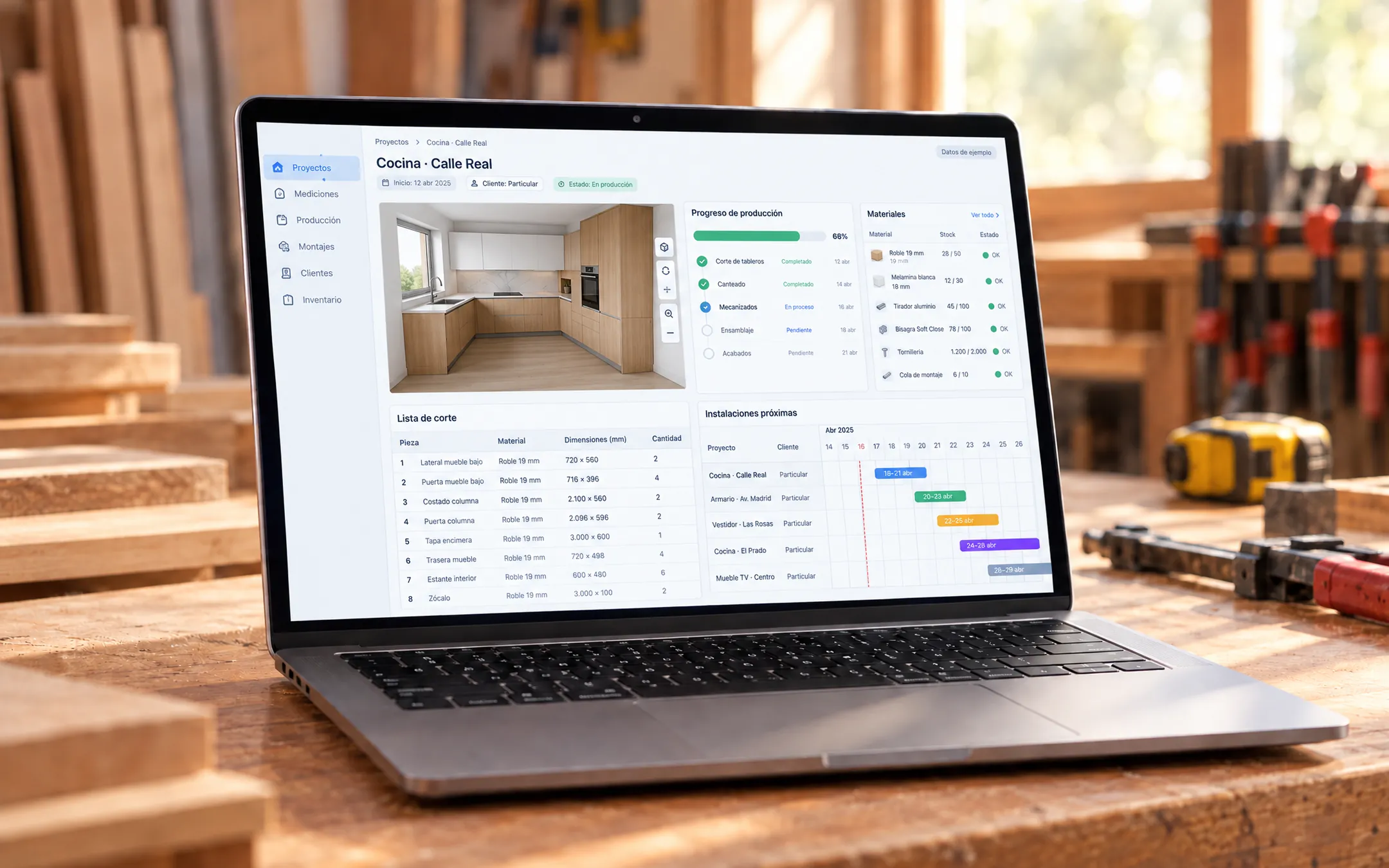 ERP and operations · 6 min readWhat is a custom ERP, and is it worth it for a small business?A custom ERP is a management system built around your company's processes: sales, inventory, production, purchasing, billing and reports on one platform. It pays off for a small business when its way of working does not fit an off-the-shelf ERP without paying for unused modules or still relying on spreadsheets.Read the answer →
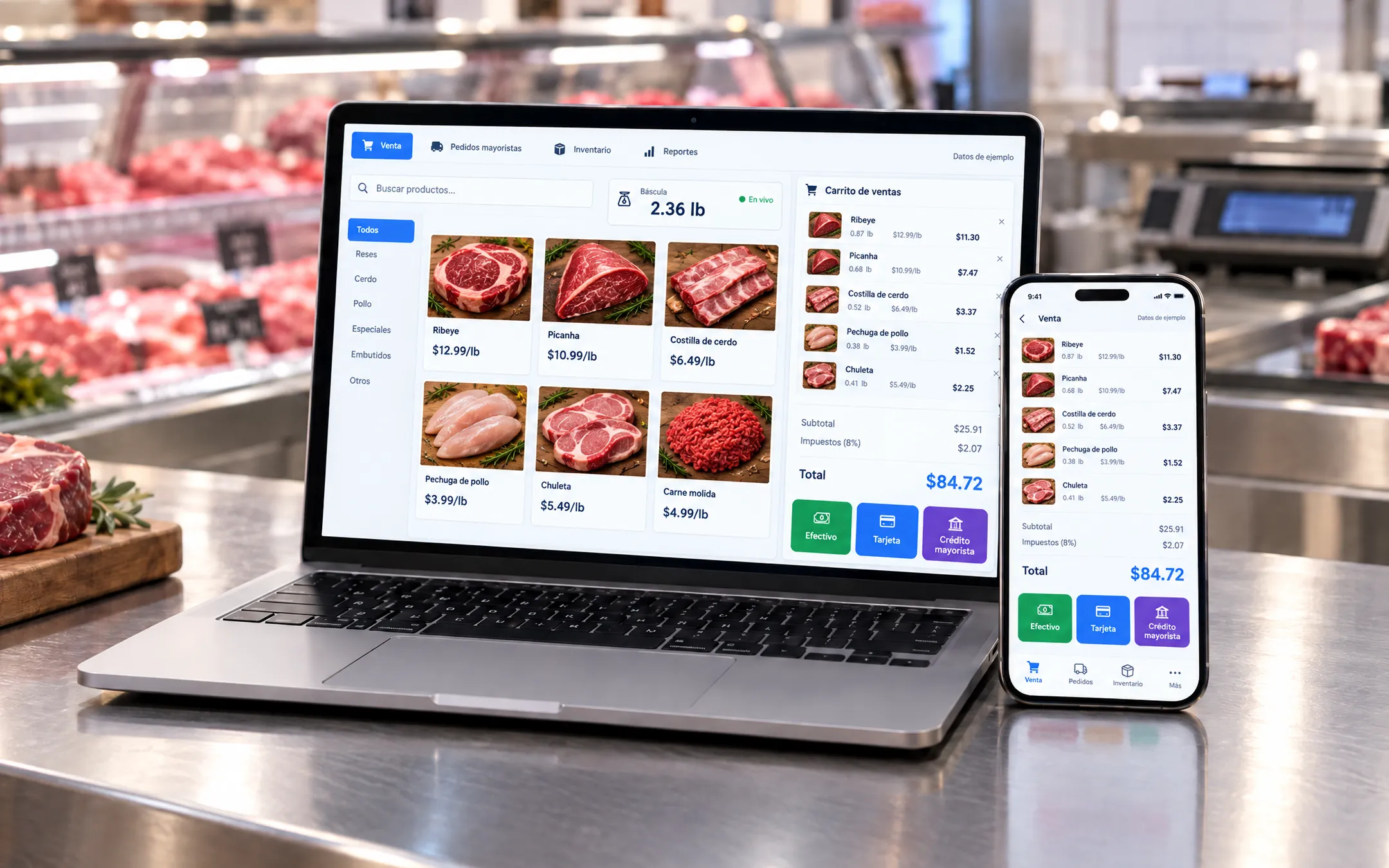 ERP and operations · 5 min readWhich inventory system fits my business: off-the-shelf or custom?An off-the-shelf inventory system fits if your products are counted by unit and your process is standard. A custom one fits when you sell by weight or by the box, give customers credit, run several warehouses or locations, or need inventory connected to your POS, purchasing and reports without retyping data.Read the answer →
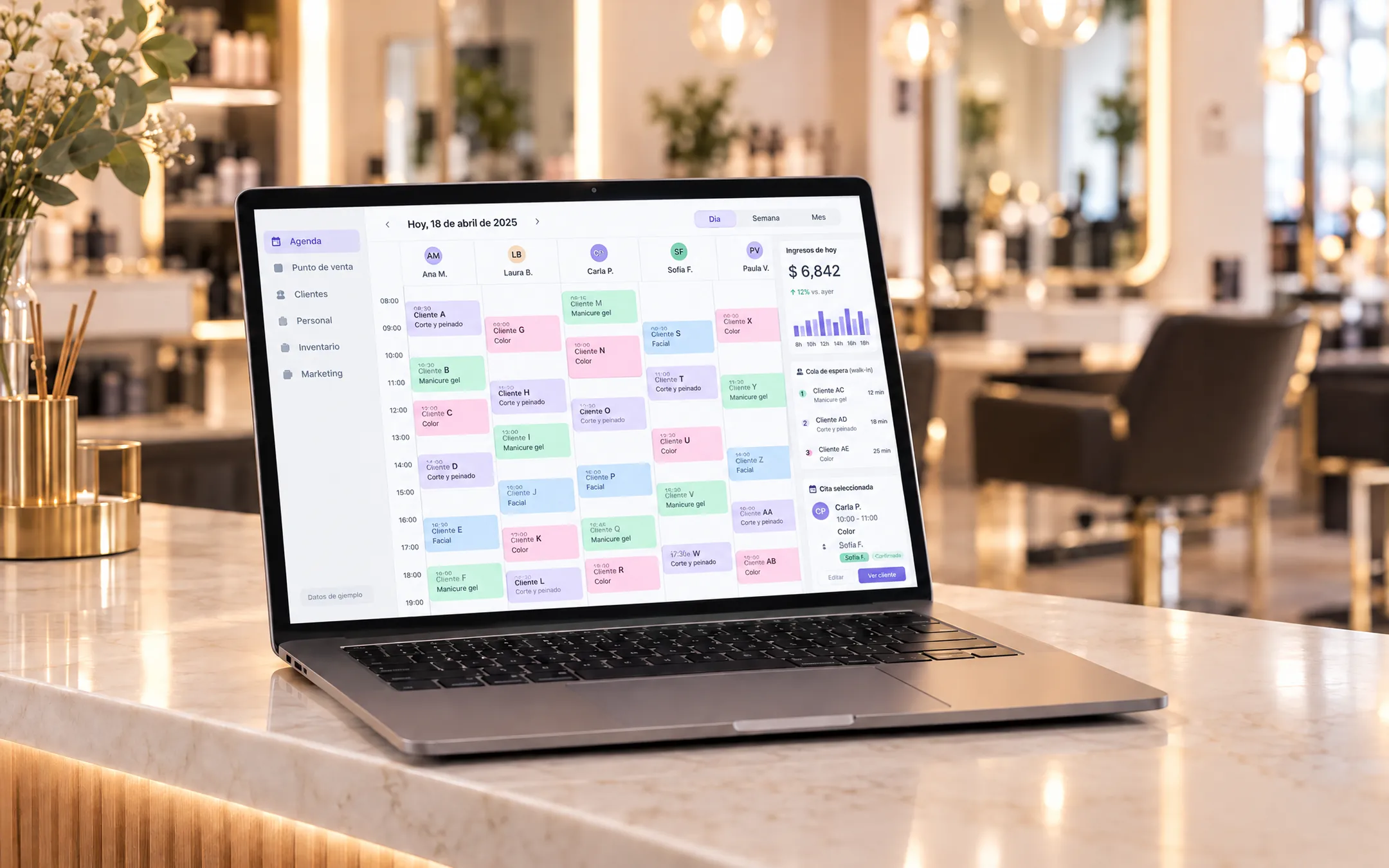 ERP and operations · 6 min readIs it worth building my own subscription software (SaaS) for my industry?Building your own SaaS makes sense when you know an industry's problems well, existing tools do not solve them and you can charge a subscription to several businesses. If you only need to organize your own operation, a custom system for your company is more direct and cheaper than a product with accounts, plans and billing.Read the answer →