 DARK MATTER
ERP and operations · 6 min read · Updated
NetSuite or a custom ERP: which fits a mid-size company?
Short answer
NetSuite fits when your company has standard finance, inventory and sales processes and can adapt to the software. A custom ERP fits when your operation has its own steps that no off-the-shelf ERP covers well, or when you don't want to pay per user and per module forever. The right choice comes from comparing total cost over several years and how well each fits your real process.
Also asked as
- What are the alternatives to NetSuite for a small business?
- Is NetSuite worth it for a small or mid-size company?
- NetSuite or building my own ERP?
What NetSuite is and who it is built for
NetSuite is a cloud off-the-shelf ERP that brings finance, inventory, purchasing, sales and reporting into one system. It is built for companies with fairly standard processes that prefer to adopt a finished product and adapt how they work to it.
When an off-the-shelf ERP like NetSuite fits
- Your processes resemble those of other companies in your industry.
- You need formal accounting and financial close as soon as possible.
- Your team accepts changing how it works to fit the system.
- You have budget for licenses, implementation and an implementation consultant.
- You prefer a large vendor to maintain the product.
When a custom ERP fits
- Your business has its own steps: made-to-order production, on-site measuring, selling by weight or commissions.
- Your team already works outside the ERP, in Excel or WhatsApp, because the system doesn't fit.
- You need a field app, a point of sale or connected equipment inside the same system.
- You don't want cost to rise with every new user or module.
- You want to own the code and the data.
How to compare the cost
NetSuite is priced as a subscription, with modules, users and implementation; the expense continues for as long as you use it. A custom ERP is budgeted by the work of building it, in phases, and then needs hosting and support.
To compare, get both proposals in writing and calculate the total cost over three to five years, including licenses, customization, data migration, training and support.
What to check before deciding
- Which processes are standard and which are unique to your business.
- How many people will use it and with what permissions.
- Which systems it must connect to: accounting, payments, invoicing, online store.
- Where your data is today and in what shape.
- How hard it would be to leave the system, and who owns the information.
A third option: combine the two
You don't always have to pick just one. Many companies keep an off-the-shelf system for accounting and build custom the part where their operation is different, connected through an API. That way they don't redo what already works and pay only for what is truly their own.
How to start the decision
Start with an assessment: list your processes and see which fit an off-the-shelf system and which don't. In our case it is free and we deliver a written proposal with scope, phases, timeline and investment, so you can compare it with what any other vendor quotes you.
How we solved it
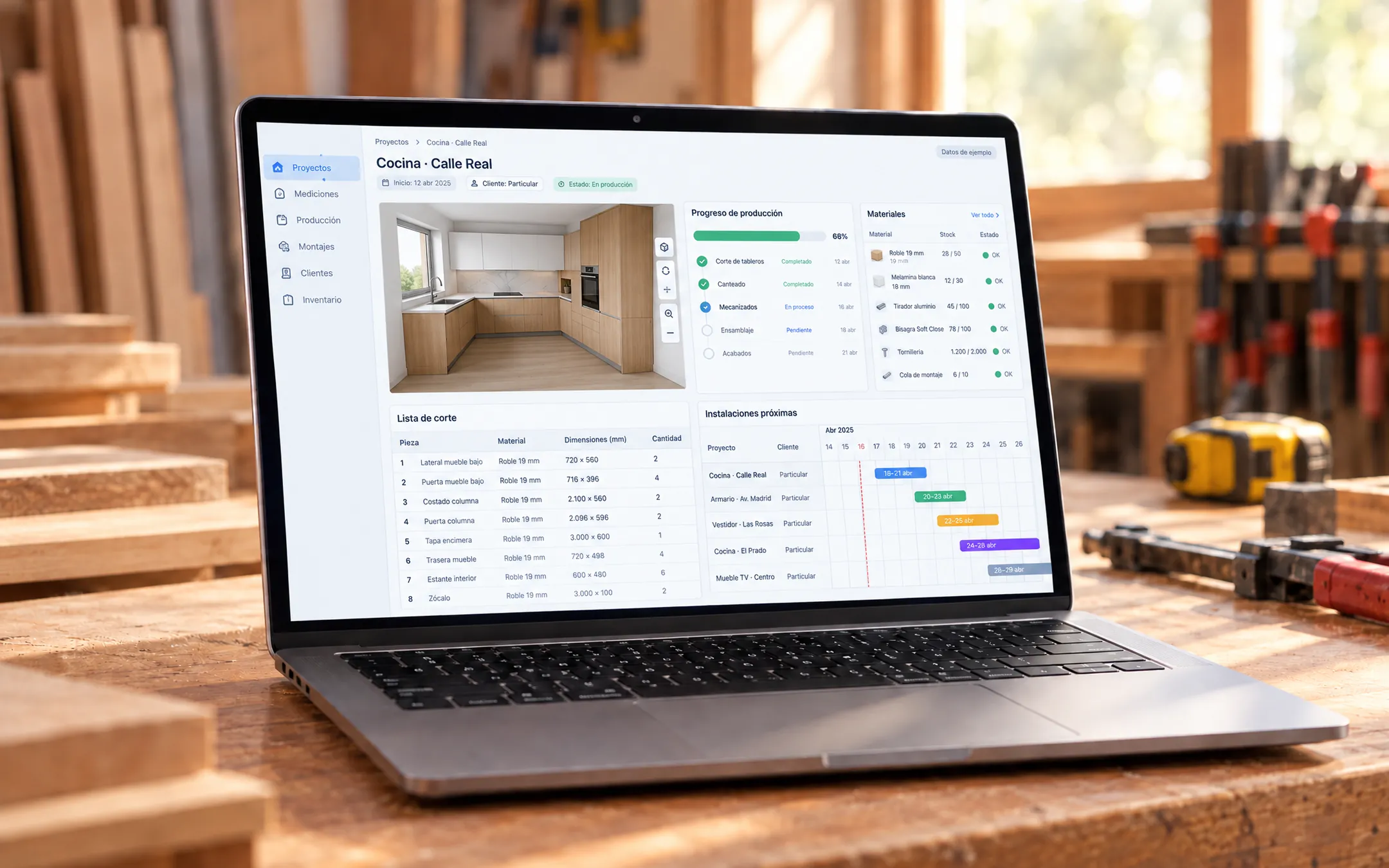 CarpentryMueco Ceuta · ERP y AppFor a carpentry business we built a custom ERP with an app: we replaced paper forms, WhatsApp chats and loose photos with a single digital file, with five roles sharing the same app and full traceability from first measurement to signed delivery.See the project →
Illustrative image with sample data; the real screens are private to the client.
Related questions
Can a custom ERP connect to the accounting system I already use?
Yes. A custom ERP can integrate with your current accounting and replace only the part that doesn't work for you.
Is a custom ERP more expensive than NetSuite?
It usually asks for a larger initial investment, in exchange for not paying per user or per module. Over several years it's best to compare the total cost of both.
How long does it take to move from NetSuite to our own system?
It depends on scope and data. It is done in phases, one process at a time, and defined in the written proposal after the free assessment.
Does your business have this question?
Walk us through your operation in a free assessment and get a written proposal with scope, phases, timeline and investment.
Keep reading
ERP and operations · 6 min readWhat is a custom ERP, and is it worth it for a small business?A custom ERP is a management system built around your company's processes: sales, inventory, production, purchasing, billing and reports on one platform. It pays off for a small business when its way of working does not fit an off-the-shelf ERP without paying for unused modules or still relying on spreadsheets.Read the answer →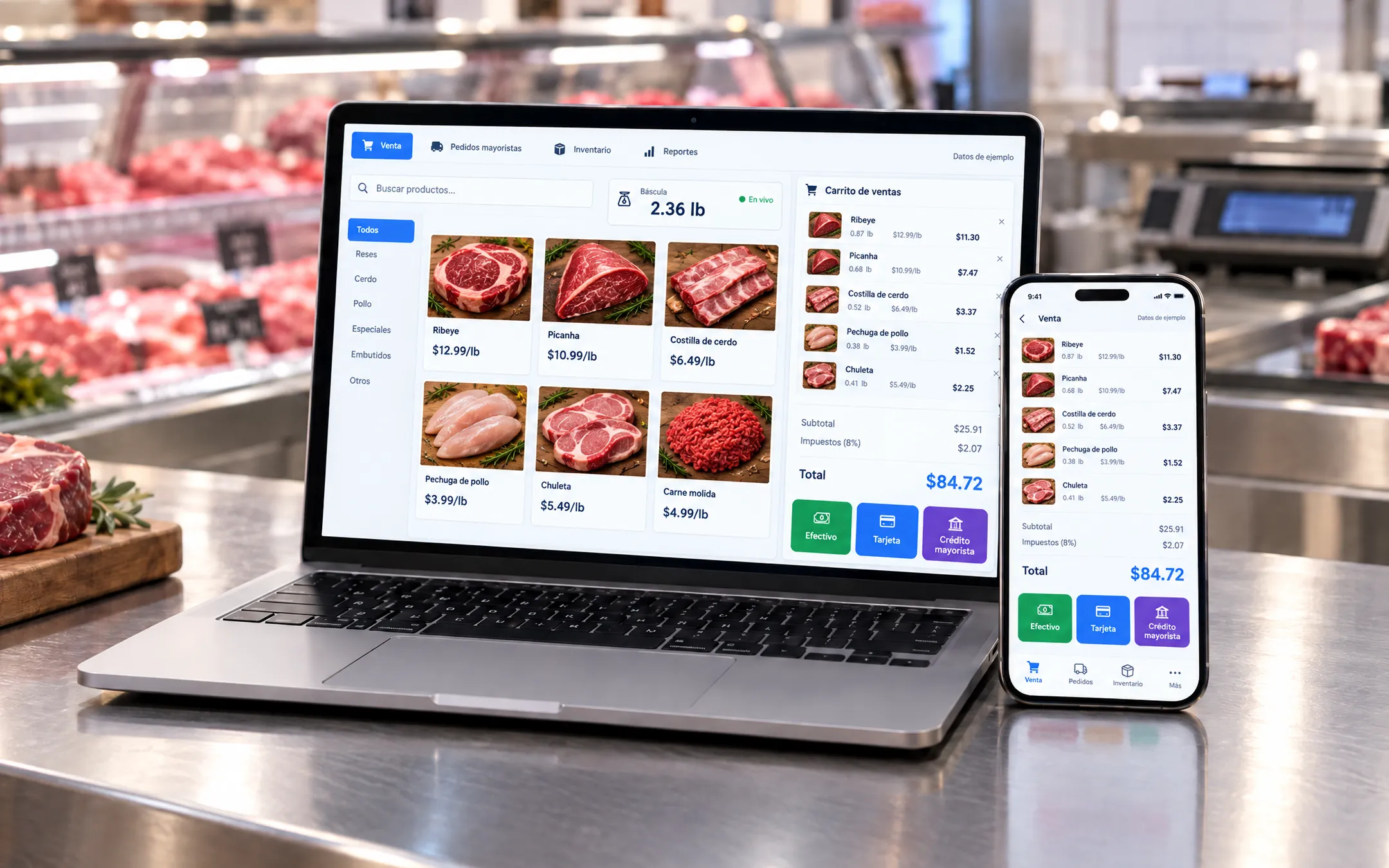 ERP and operations · 5 min readWhich inventory system fits my business: off-the-shelf or custom?An off-the-shelf inventory system fits if your products are counted by unit and your process is standard. A custom one fits when you sell by weight or by the box, give customers credit, run several warehouses or locations, or need inventory connected to your POS, purchasing and reports without retyping data.Read the answer →
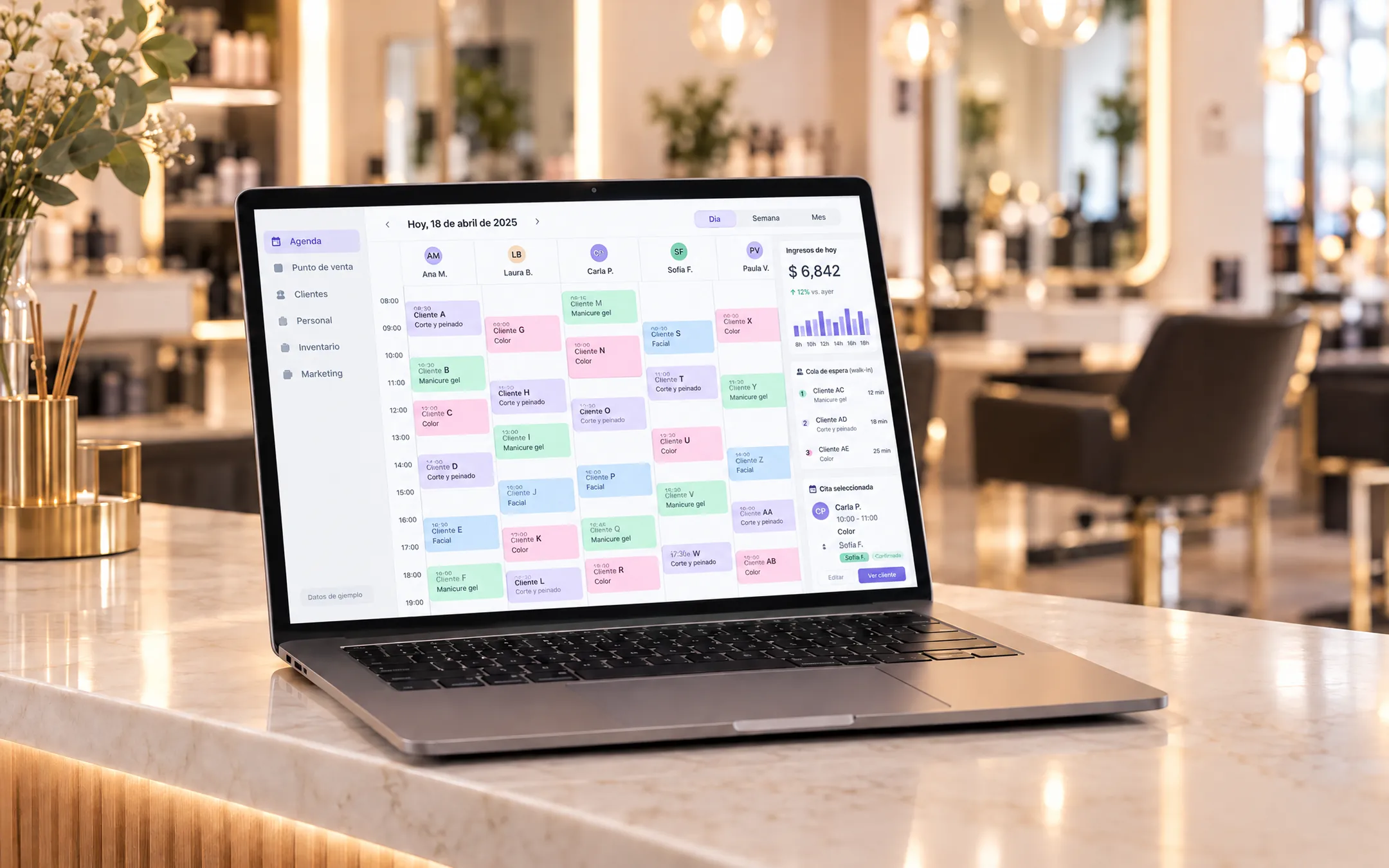 ERP and operations · 6 min readIs it worth building my own subscription software (SaaS) for my industry?Building your own SaaS makes sense when you know an industry's problems well, existing tools do not solve them and you can charge a subscription to several businesses. If you only need to organize your own operation, a custom system for your company is more direct and cheaper than a product with accounts, plans and billing.Read the answer →